






The hot take – saunas and how to do them right, with Out of the Valley
The sauna collection on Canopy & Stars has really been hotting up over the past couple of years. In 2025, it had more than 20k views and has risen to become our 6th most popular collection. In fact, saunas are popping up at so many of our spaces these days, we decided to track down some experts to discuss what makes them so great, how to do them right and the common misconceptions and mistakes that surround what’s fast become an essential element of the glamping experience.
Rupert McKelvie, founder of Out of the Valley, is a designer, carpenter and all-round craftsperson, whose knowledge of saunas is second to none. We sweated him for information on everything from technical aspects of installation and maintenance to the reason that saunas are so enticing to our audience and such a welcome addition to a site.
Tell us about the inspiration behind Out of the Valley and how you started
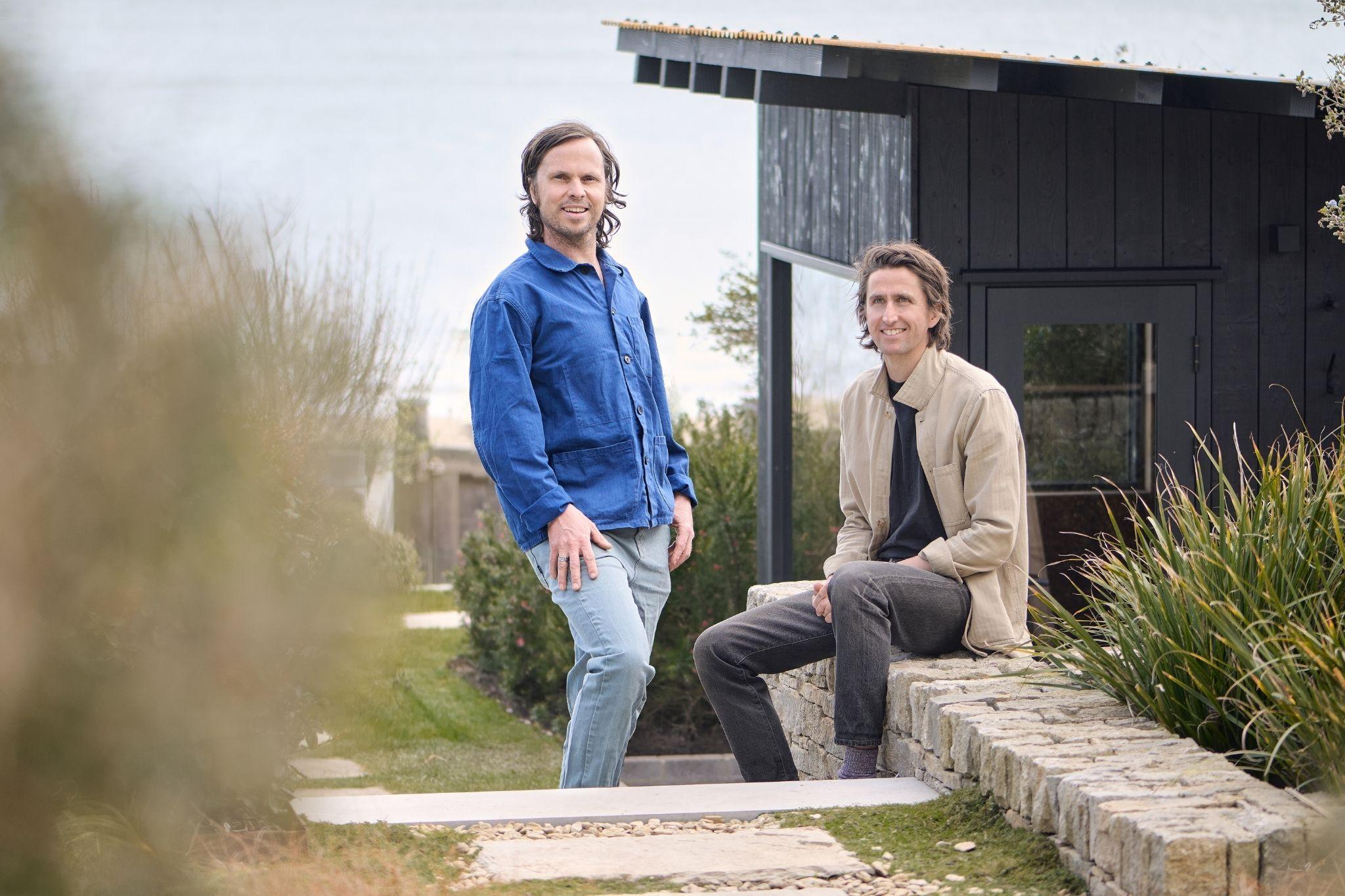
Out of the Valley began with a single cabin I built for myself on the edge of a meadow on Dartmoor. I wanted to live simply, in a small space that was efficient, functional, and close to the land. My workshop was nearby, so I could walk to work and build a life rooted in design and making.
That off-grid structure became both my home and the foundation for everything that followed. Word spread, and I began creating small architectural projects that explored the relationship between form, craft, and place. In 2017, a commission for a sauna beside a spring-fed pool in Cornwall brought together everything I loved – architecture, hands-on building, and timber. It marked a turning point. Today, Out of the Valley has grown into larger workshops but remains a Devon-based studio of designers and makers creating structures that connect people to their surroundings and celebrate craftsmanship and the natural world.
Have you seen a shift in the travel sector when it comes to wellness amenities like saunas?
There’s been a clear change in how people value heat-based spaces when they travel. For years they were either part of luxury hotel spas – polished, exclusive, and hidden away – or the opposite: small, functional boxes in gym corners, purely practical and uninspiring.
What’s shifted is both setting and mindset. People now recognise that a sauna offers more than warmth; it’s a place for recovery and pause. As outdoor living and health-focused travel have grown, saunas have moved out of basements and into nature – beside lakes, in woodland clearings, or overlooking the sea. Travellers now look for places that combine design, craftsmanship, and a sense of calm.
What’s the role of aesthetics and setting when choosing where to site a sauna?
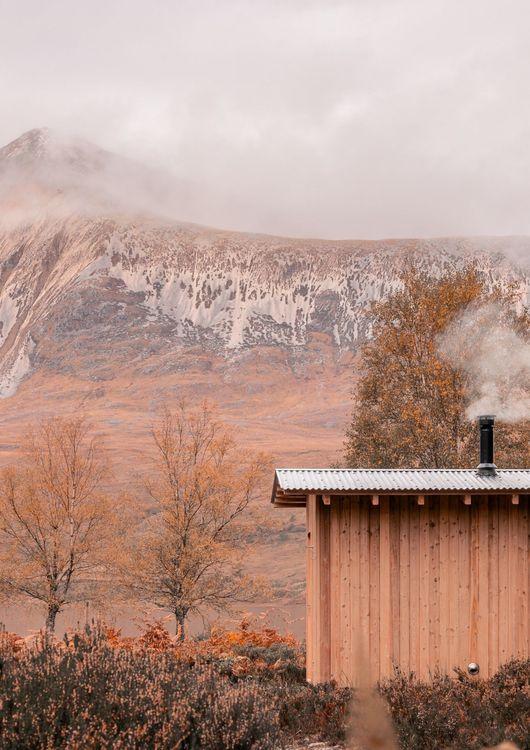
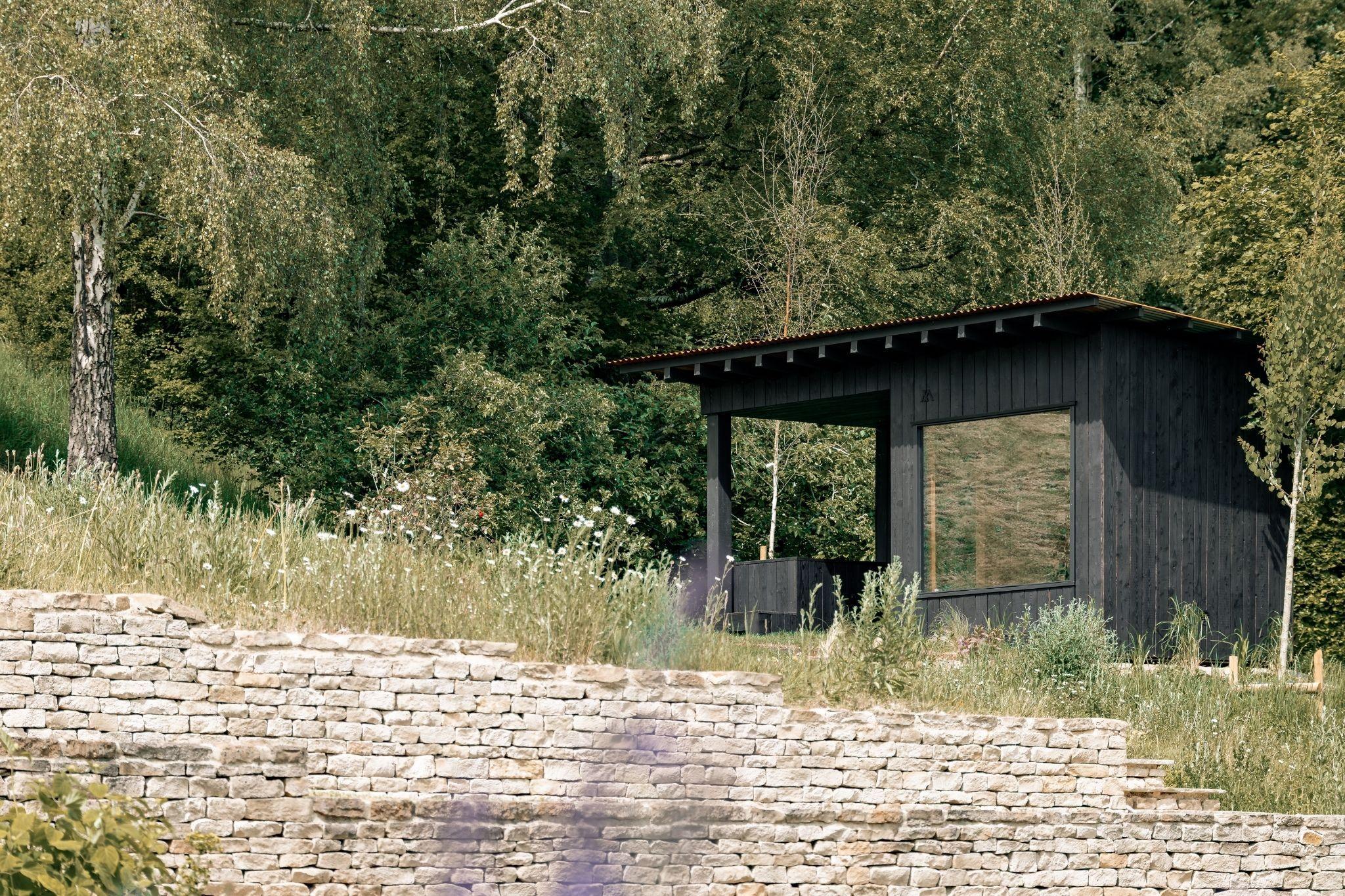
A sauna should feel part of its environment, not imposed on it. Orientation, light, and shelter all shape the mood. We look to frame a view, catch the evening sun, or face toward water when possible. Privacy matters too, so the structure feels enclosed yet open to its surroundings. Some of our favourite installations have been simple but well positioned: a Lutra overlooking open countryside in the Cotswolds, a Calluna above a remote Scottish shoreline, and a Tyto tucked behind a garden wall in Notting Hill. Each responds differently to its location but shares the same principle – architecture working with the land.
How do you see saunas enhancing the “wow factor” or storytelling potential of a glamping site?
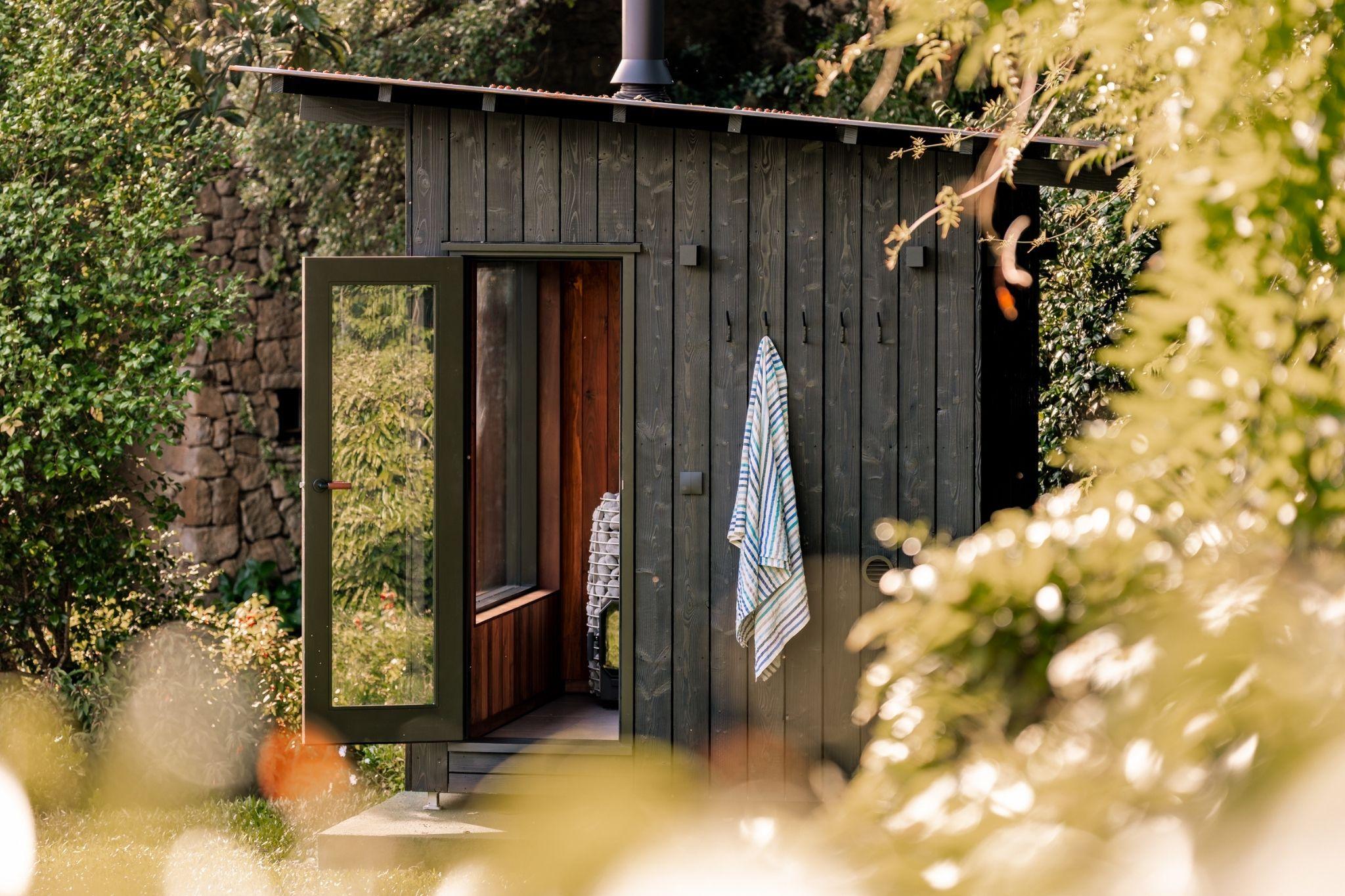
A well-placed sauna can transform a site. It brings atmosphere and a central focus that lingers in the memory. After a long hike or cold swim, stepping inside warms the body and restores energy and also improves restorative sleep. For owners, these spaces also offer strong visual storytelling. They’re elemental by nature – the play of light, weather, and steam gives them character, while the glow of fire and drift of wood smoke make them naturally photogenic. They capture attention and help express a site’s identity.
What are the key things to think about before adding a sauna?
Treat it as a small building rather than a piece of equipment. The best results come from integrating it into the landscape rather than the impression it was added later. Placement is key. It should feel private yet connected – ideally with a view. The walk from accommodation should be short and inviting. If wood-fired, proximity matters since the fire needs tending. Electric models offer more flexibility, as they can preheat automatically. Beyond that, check power supply, water access, and delivery conditions early. A well-built sauna adds value year-round.
Are there common misconceptions about cost, maintenance, or installation?
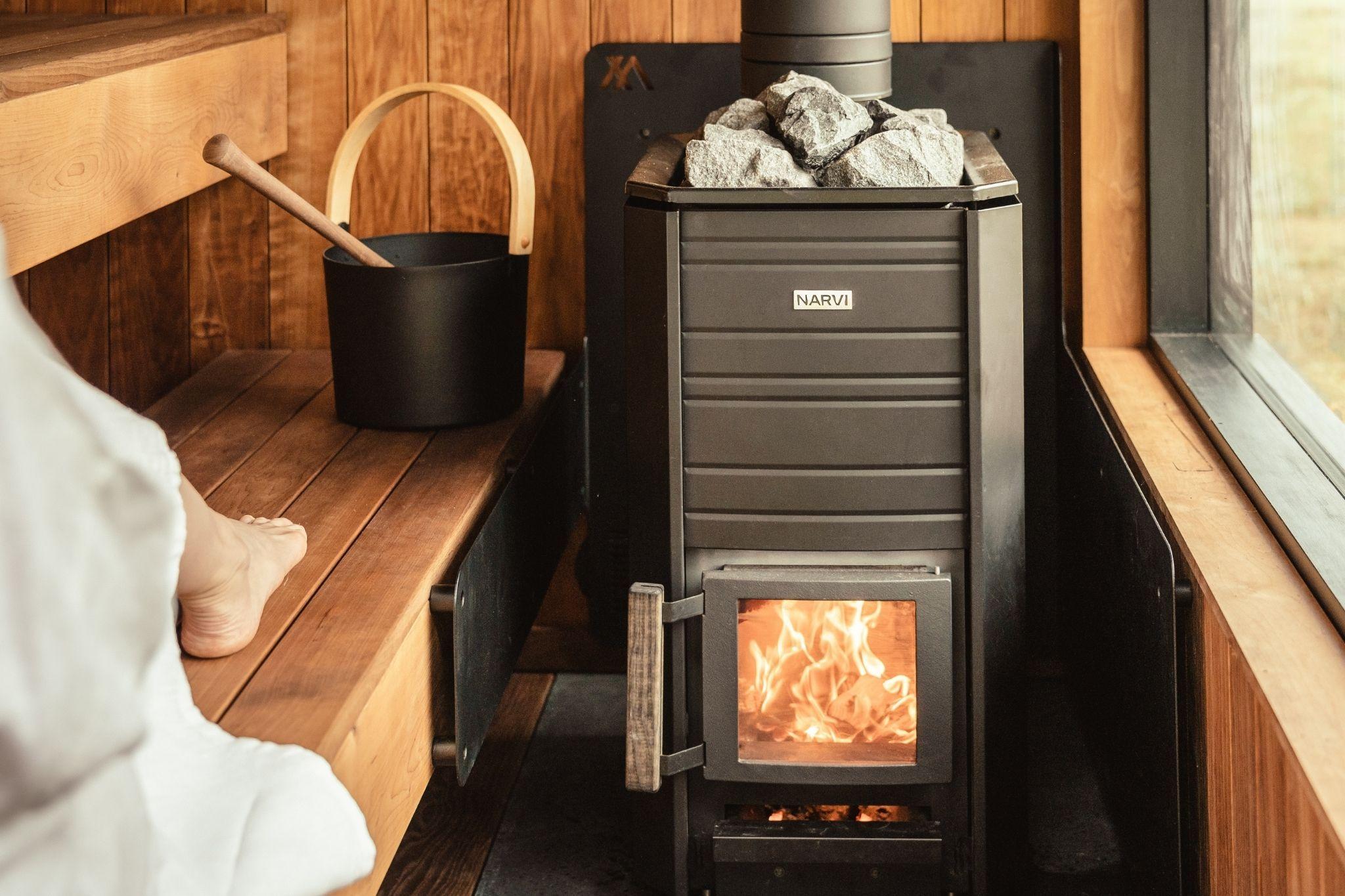
A properly built sauna is more robust and lower maintenance than many expect. When constructed with quality materials – thermo-treated timber, marine-grade fixings, and proper insulation – it withstands years of heat and weather. Sound membranes, roof junctions, and ventilation prevent damage and ensure long-term performance. Upkeep is simple: re-oil internal timber occasionally, repaint glazing every few years, and check heaters or stoves periodically. Most models arrive prefabricated, delivered on a flatbed trailer and lifted into position with a telehandler. Installation is often completed in a single day.
A common misunderstanding is comparing insulated architectural saunas to cheaper barrel types. Barrel versions, built from single-layer pine, lack insulation, are harder to heat, and tend to leak as timber moves. They may seem economical initially but have a shorter lifespan.
Cost of running a sauna: A 9 kW electric heater runs a medium unit – typically for couples or small families – using about 9 kW per hour, roughly £2.88 at £0.32/kWh, usually halved once it reaches temperature. Wood-fired models use a small basket of logs per session; pre-warming them improves combustion and output.
How is the sauna industry addressing sustainability in materials, heating methods, and efficiency?
Sustainability in sauna design goes beyond energy use – it’s about longevity, performance, and human wellbeing. Material innovation leads the way. Thermally modified timbers, treated with heat and pressure rather than chemicals, offer durability and promote the use of local species. Natural insulation such as hemp, wood fibre, and sheep’s wool helps stabilise temperature and humidity, reducing energy demand and improving air quality.
Heating remains the main energy factor, but efficiency has advanced. Electric systems can be timed to run only when needed, and insulated structures retain warmth much longer.
Viewed through a health perspective, the argument strengthens. Research into Finnish-style bathing shows benefits for cardiovascular function, blood pressure, and recovery. Regular exposure to heat supports rest and lowers stress – outcomes that can reduce healthcare and energy costs elsewhere. True sustainability lies in balance: durable systems, renewable materials, and designs that respect both people and place.
Have you seen creative ways glamping sites use saunas to extend their season or boost mid-week bookings?
A well-designed sauna can reshape how a site operates year-round. It makes colder months desirable – the lower the temperature, the stronger the contrast. Many owners now open their saunas for private sessions or small group evenings during quieter periods, creating steady income outside peak season. They also encourage longer stays and mid-week visits. Efficient to run and high in perceived value, they give visitors a reason to return.
Where do you see the role of saunas in outdoor hospitality evolving over the next 5–10 years?
In the coming decade, saunas will shift from being a luxury extra to a defining part of outdoor hospitality. Unlike the hot-tub trend, their heritage and proven health value gives them lasting relevance. Across Europe, this integration is already the norm. In the Alps and Nordic regions, saunas are part of mountain and lakeside stays. In Japan, they sit alongside onsen bathing as part of a broader culture of heat, cold, and recovery. Operators are realising that these spaces are more than leisure amenities – they improve how visitors rest and recharge. As outdoor hospitality evolves, the sauna will stand as a marker of quality and thoughtful design.
What innovations are you most excited about that might benefit small-scale operators?
For smaller operators, the most valuable innovations are those that simplify setup and remove technical barriers. Two areas stand out: mobility and modularity. Mobile models like our Aquila give sites flexibility – they can be shared, hired, or repositioned with the seasons. Modular construction speeds up installation and reduces disruption, keeping operations running smoothly. Together with advances in off-grid systems – solar for lighting and controls, improved insulation, and compact battery storage for auxiliary power – saunas are becoming more self-contained. They can operate efficiently with minimal infrastructure, leaving only footprints in the grass and steam in the air.
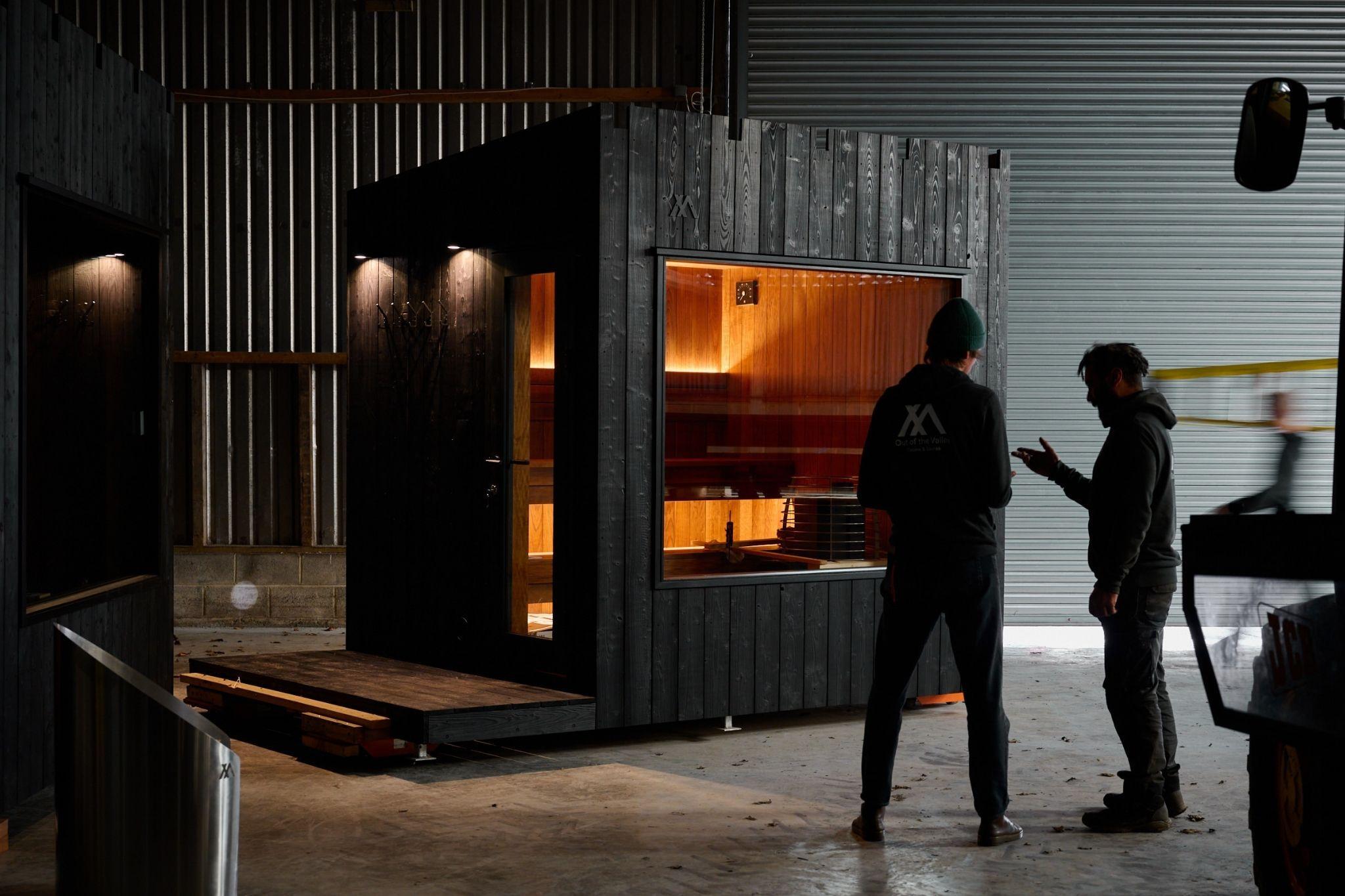
If you’re looking to install a sauna (and why would you not be?!) then Out of the Valley should be your first call. They’ll put their years of experience at your disposal, siting, installing and prepping you to run and maintain your on-site sauna. Guests will love you for it!
To learn more, visit their website or contact them at hello@outofthevalley.com. Canopy & Stars owners also receive an exclusive 8% discount — just mention it when you get in touch and the name of your space.