
JOMO: why the joy of missing out is on the rise
Written by Jem Brownlee, April 2026
Read time: 6 minutes
The term FOMO (fear of missing out) once dominated the feeds when it was coined, with hordes of teens and young adults flocking to the streets to flaunt their full social calendars and endless exploits on social media. But now, JOMO (the joy of missing out) is slowly starting to trend.
Coined as early as 2012, JOMO has been growing slowly, quietly, and is finally reaching its fever pitch. Tired of endless hustle and a social life that sees us feeling performative over pleasurable – people are leaning into their own wellness over being ‘seen’ doing things. It’s a shift we’ve been noticing more and more in the way people travel too, choosing slower, quieter escapes where doing less is very much the point.
Whilst FOMO thrives on comparison, JOMO is something else entirely – recognising that a schedule of keeping up with plans, notifications and the endless stream of other people’s ‘stories’ – is exhausting. And, most importantly, ‘missing out’ doesn’t really apply. Instead, it’s all about what you gain. Time, clarity and if you’re lucky, perhaps a little bit of real joy.
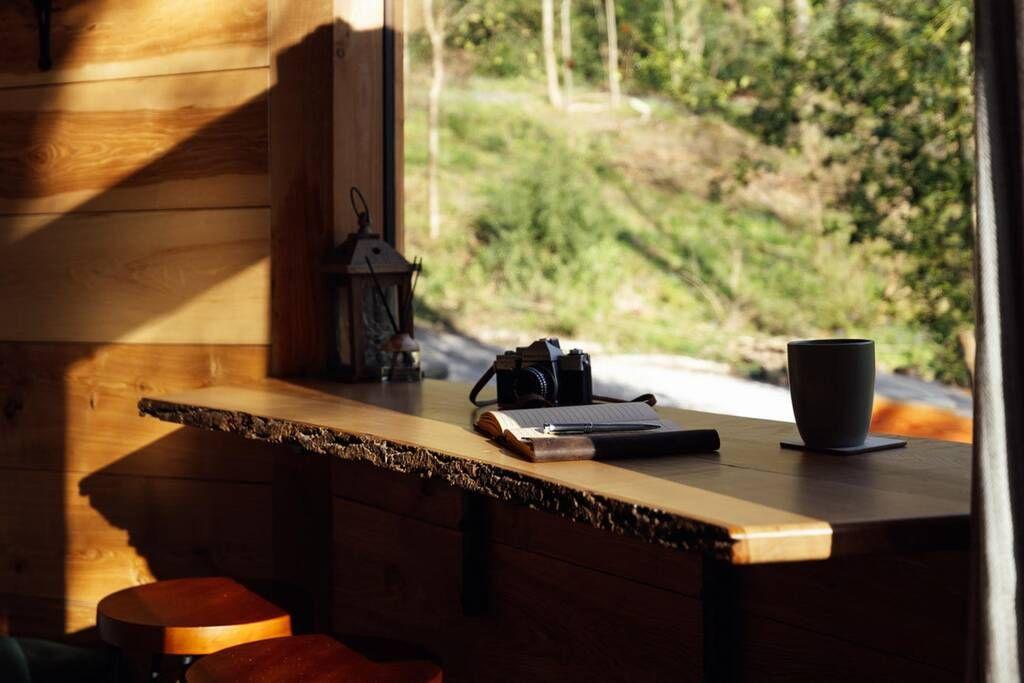
Why does it feel like it never ends?
It’s not the same world your parents grew up in. In fact, it’s only the mid-to-older millennials (last DOB, 1985) who last experienced a truly analogue childhood. Those that come after that, young millennials and gen z, experienced either blended or entirely digital childhood.
Instead of having to chat to your friend’s parent on a landline before they came to the phone, you had MSN, you had to read books or visit a library to find facts, and your parents relied naively on you telling them where you’d been.
The world today is a very different place. Messages have urgency they never held before because justifying why you haven’t replied is much harder. Information is rampant, and arguably, a little too distracting. Long bus rides are no longer contemplative cutscenes in the storyline of life, rather something that flickers by as your thumb hits refresh on the feed. Whilst tech has improved some things drastically, it has reduced our quality of life in a much quieter and incremental way.
Social media alone has become less about speaking to friends and instead, seeing them through a very curated lens, blurring the line between connection and comparison – and turning what might have been a fleeting cool moment, into a series of experiences you find overwhelmingly intimidating.
The danger now, is that burnout is no longer limited to the working world. Free time has become as tightly controlled and scheduled as a 9-5 weekday, with barely enough time to fit in activities to compete with the best of them.
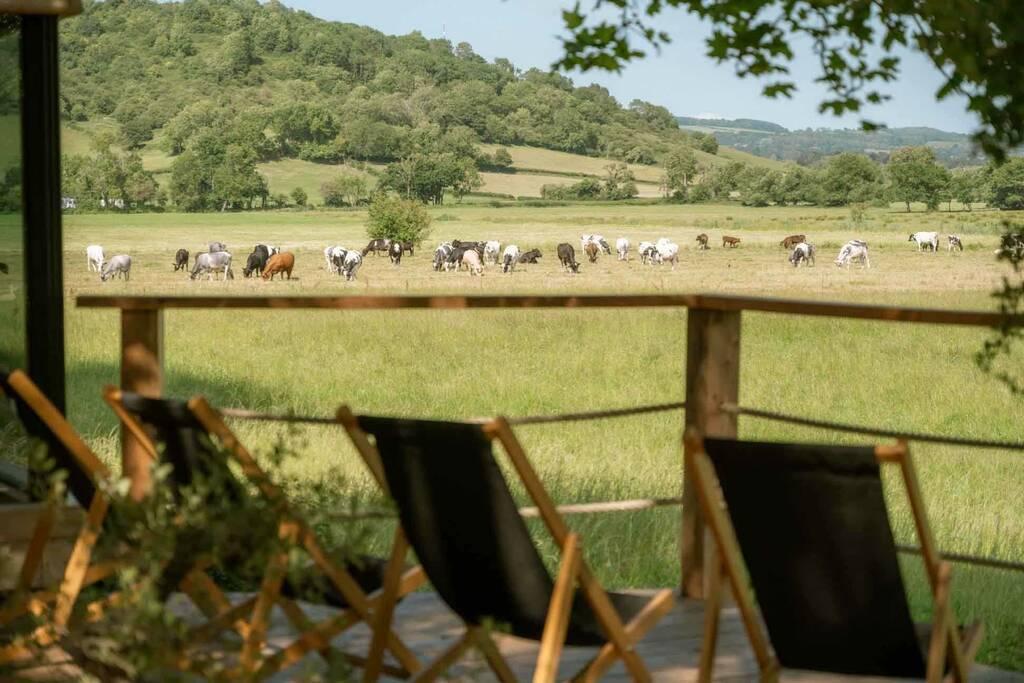
And what of the travellers?
Travel, like any hobby or pastime, wasn’t safe from the onslaught of FOMO. And thankfully, isn’t immune to JOMO either. Increasingly, younger travellers are deciding to opt out of the content-churn – not attending every event, not replying immediately, and most importantly, not documenting every moment. They're turning the focus to what matters most – what they feel like doing, how they can achieve real rest, and real recuperation. What really makes them feel alive?
But the question isn’t just the ‘why’, it’s the ‘how’. The idea of slowing the pace of life sounds appealing, but is realistically a lot harder to enact than it sounds. Especially when you live in the city. The constant hum of traffic, the endless spots to dine out, grab a coffee or see the exhibition – your phone hooked into every free wifi spot and switching from 5G mast to mast. If you’re looking for calm, living in a metropolis makes as much sense as spending your evenings in a pub while you’re doing dry January.
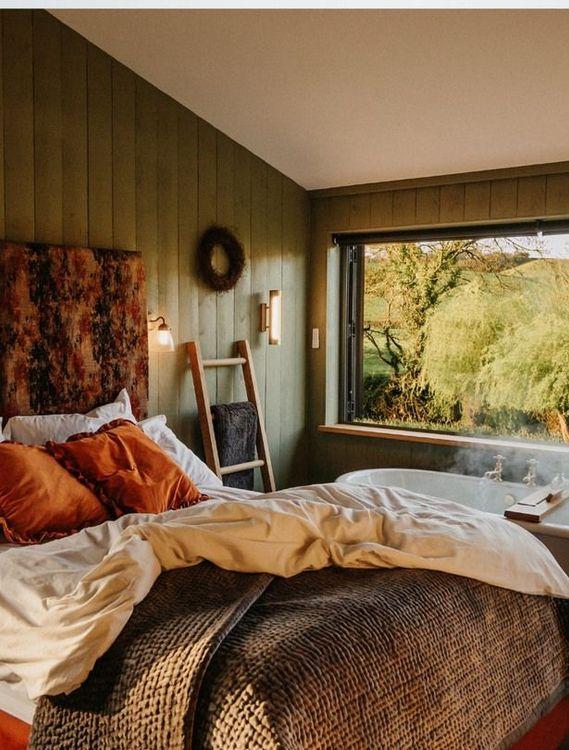
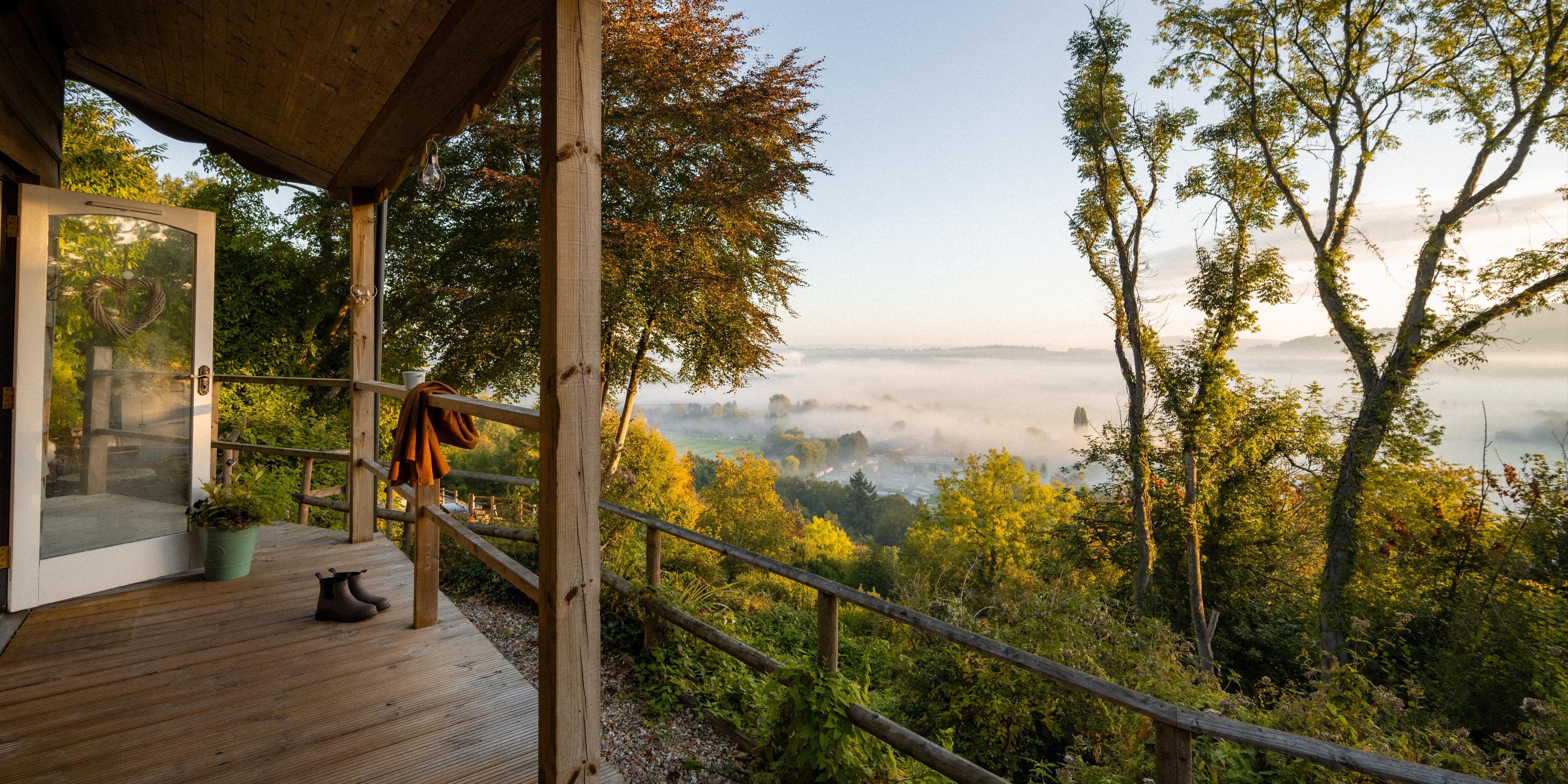
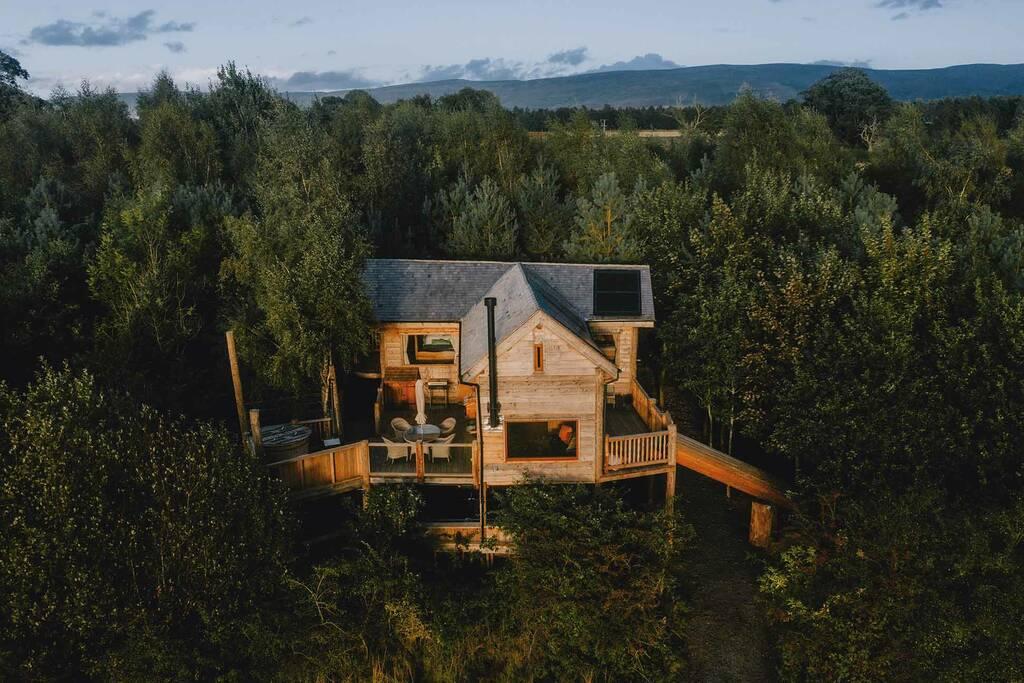
This is where a change of scenery really kicks in. Time spent in nature naturally encourages a slower rhythm, and there are few better ways to do that than in a cabin, a shepherd's hut, a treehouse – you name it. Glamping has the perfect conditions for embracing JOMO, toeing the perfect balance between simplicity and comfort. You get to step off the treadmill for a minute, set down the pressures of life, and do so without sacrificing ease.
You’ve got the option to choose a space with limited, if any wifi – ditto when it comes to signal. And instead of the constant ping of alerts, the soundtrack of your day is real life chirps from the resident wildlife. Forget the colour shift on your screen to mimic sundown, as giant picture windows, or a stretch lying out on the deck will let you gel with your real circadian rhythm. And when it comes to keeping a schedule, well, the most you’ll likely be looking at will be tide times.
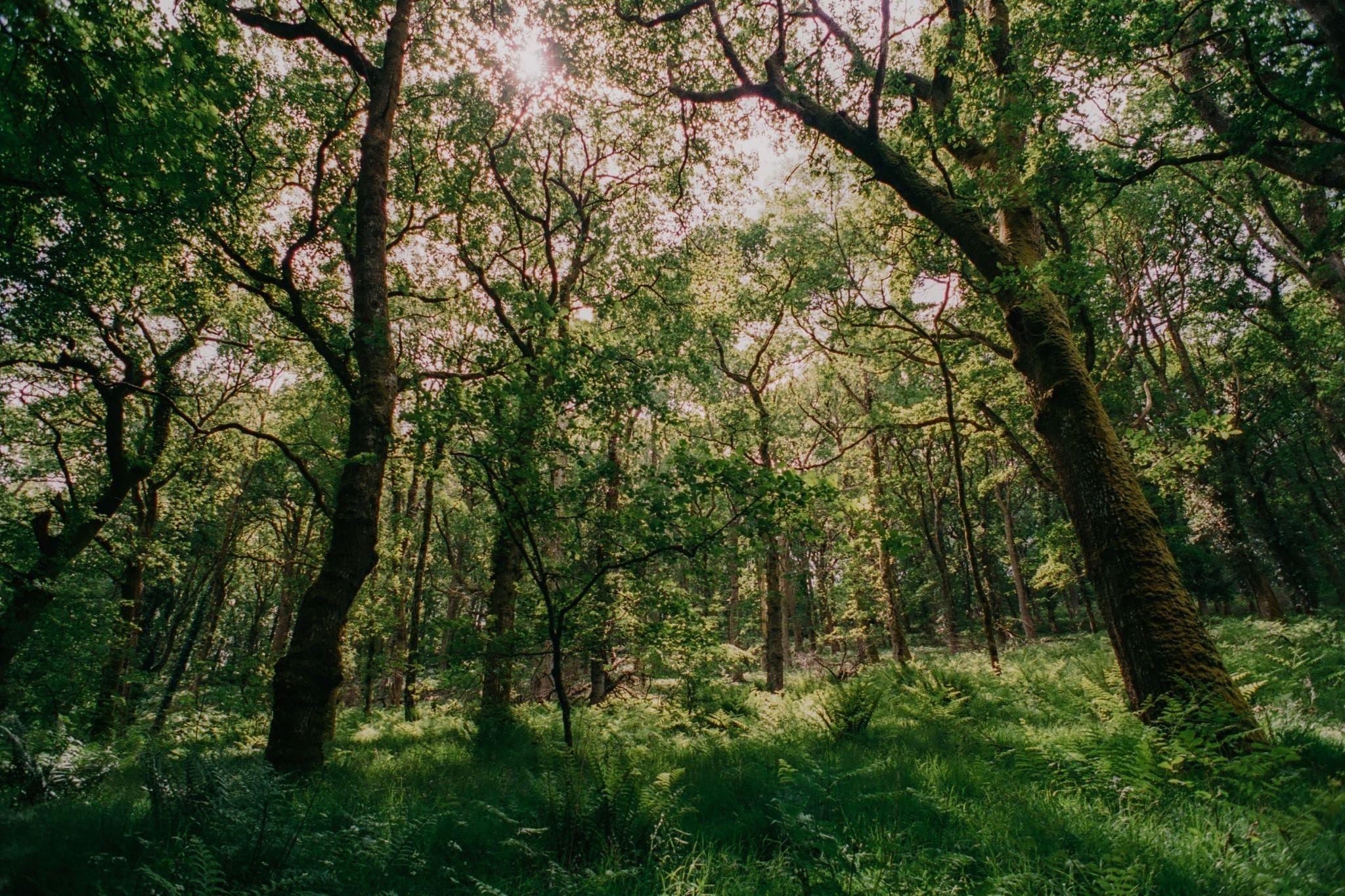
So what does JOMO end up actually looking like?
The joy of missing out isn’t the same as doing nothing (though it really can be nothing if you please). It’s the option to be pleasantly uninformed, not jumping to grab your phone at every rumble of vibration – it’s ultimately about asking ‘do I want to do this or do I just feel like I should?’
A stay in a secluded cabin, a treehouse tucked among the trees, or a coastal hideaway offers something many of us don’t realise we’ve been missing – space. Heading out to one of these unique places to stay means there is no ‘fixed agenda’. There’s no tick list of must-see attractions – instead, it’s an experience that will unfold naturally as you go.
Forget the alarm clock, rise when you rise, whether that’s with the sun, or long after it’s made its appearance. Whilst you’re welcome to make an itinerary, you might prefer to simply swap planned activities for a sense of child-like wonder and do whatever you feel like when you feel like it. Go for an unplanned walk or swap the doomscrolling for a lengthy and leisurely afternoon preparing dinner. Maybe get that nap you always long for but can never take mid-afternoon.
Whilst it all sounds very simple and subtle, it’s a powerful change in micro-behaviours that add up to a significant shift. By removing the pressure you place on yourself to ‘perform’ or optimise your time, you can create more space for meaningful moments – whether that’s an in-depth conversation, or watching the sun set or dance on open water. Perhaps most importantly, not feeling the need to document everything on social media, and instead, feeling smug that these moments are entirely yours.
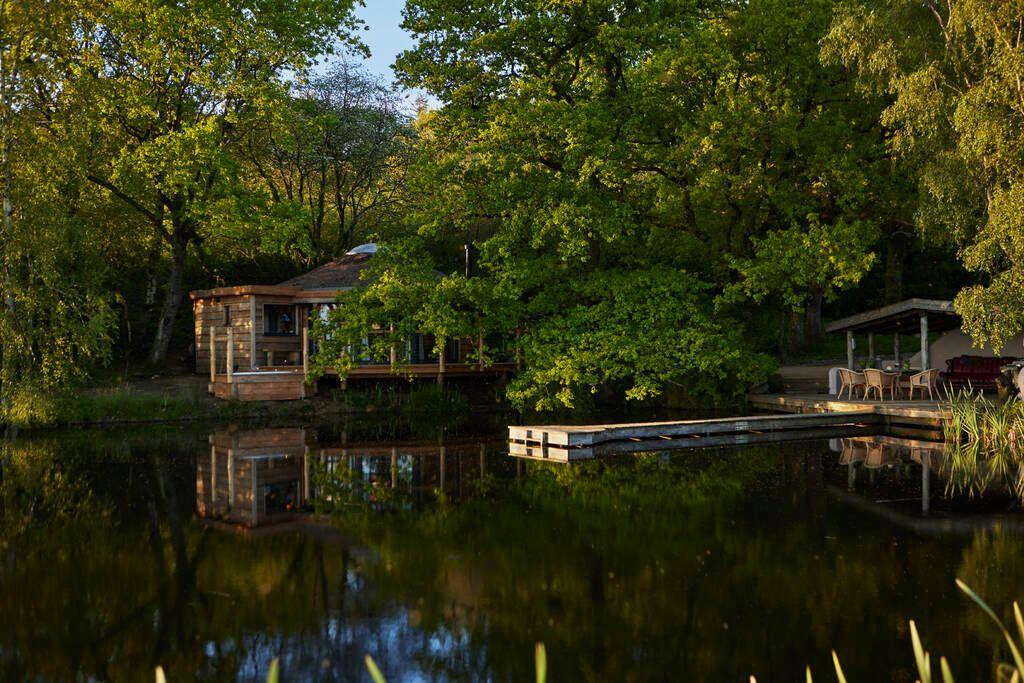
Tips & Tricks
Like any change, leaning into JOMO is easiest when you pay attention to little triggers, rather than feeling like it’s a complete lifestyle overhaul. Spend a little time working out what those triggers are for you.
For some, it might be realising having your phone at all times is a massive FOMO trigger. For others, it might be as simple as deleting social media or putting a block on those apps whilst you’re away. For the high achievers, it might be setting fire to the itinerary before you go.
The easiest way might be to just head to the space first and let the lack of busy stimulation be your catalyst for noticing your FOMO patterns. They say the more you do, the more you do – well the opposite can be true. The less you do, the less you do – and in this case, that’s a great thing.
What does it mean to miss out?
Realistically, when we say ‘missing out’ – we’re talking about skipping one brief social event that, in five years, you probably won’t remember anyway. Taking stock of what actually matters is a great way to combat these concerns. And going out to the great outdoors is perhaps the best way to get some perspective.
Choosing JOMO doesn’t mean withdrawing from life, it means living a little more selective with it, realising that saying yes to everything means you’re very likely diluting what it means to have a meaningful experience. And, that saying no can be a pretty rewarding experience.
That’s where time away in nature comes into its own. In a cabin, a treehouse or a shepherd’s hut, doing less doesn’t feel like a compromise, it feels like a choice. There’s space for time to pass without needing to fill it, and without ever having the feeling that somewhere out there, something better is waiting.
You might also like...
Five outdoor activities that aren't just for kids