






How to go glamping: Lighting a wood-fired hot tub
Part of our 'hot tubs and wild water' series
Written by Beth Tingle
Last updated September 2026
Read time: 5 minutes
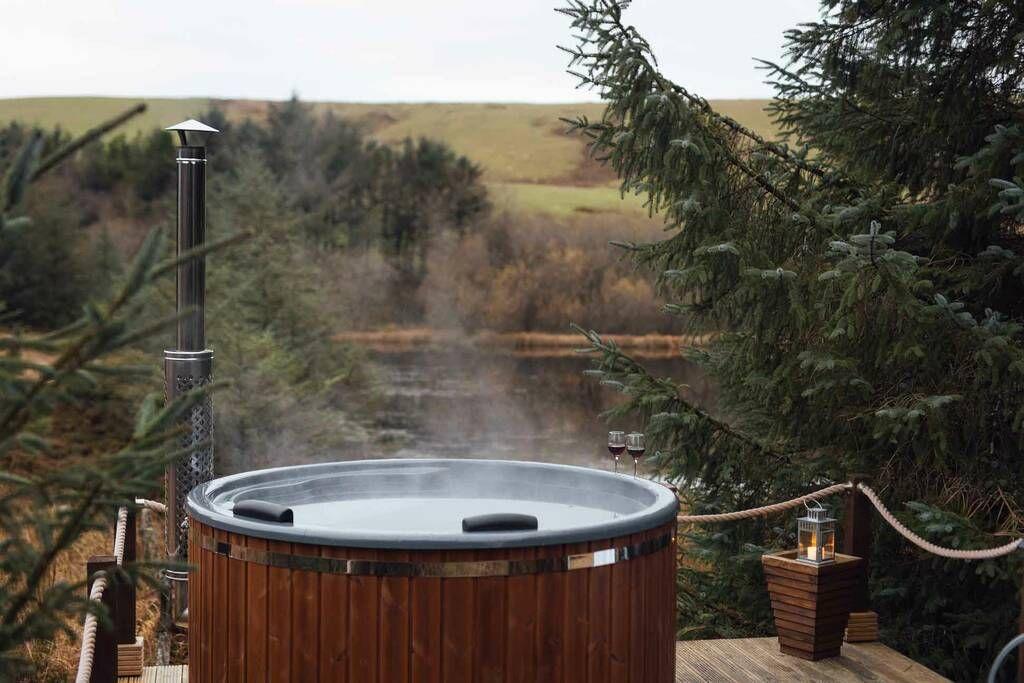
Wood-fired hot tubs usually take 2–4 hours to heat, depending on their size, the weather and the type of wood you use. While they need a little more patience than their electric cousins, the crackling fire, smell of smoke and steaming water under open skies are all part of the experience and deepening that nature connection.
Here’s our step-by-step guide to heating a wood-fired hot tub safely and efficiently on your next glamping holiday with a hot tub, so you can spend less time reading instructions and more time enjoying the simple pleasures of hot tubs and outdoor bathing.
Quick answers: wood-fired hot tub basics
- What temperature should a hot tub be? Around 37–39°C.
- Do you need to stir the water? Yes. Hot water rises, so stirring keeps the temperature even throughout the tub.
- What wood works best? Dry seasoned wood burns hotter and more efficiently than damp logs.
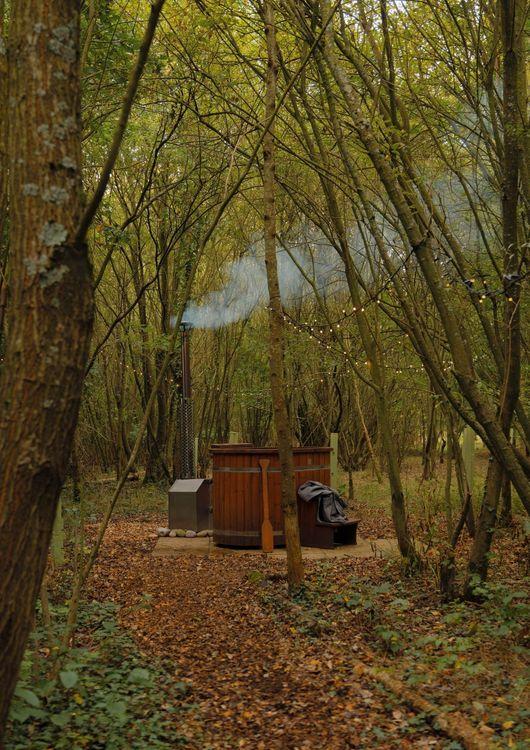
- Can you leave it unattended? It’s best to check the fire regularly while the tub heats. The good news is that many of our cabins, shepherd’s huts and treehouses are designed for lingering outdoors while the tub heats up. Rather than leaving the fire unattended, settle in nearby with dinner at the outdoor table, pour a drink, wrap up in blankets beneath festoon lights or simply listen to the birds settling down for the evening while the water slowly warms. Half the pleasure of a wood-fired hot tub is the unhurried ritual of it all.
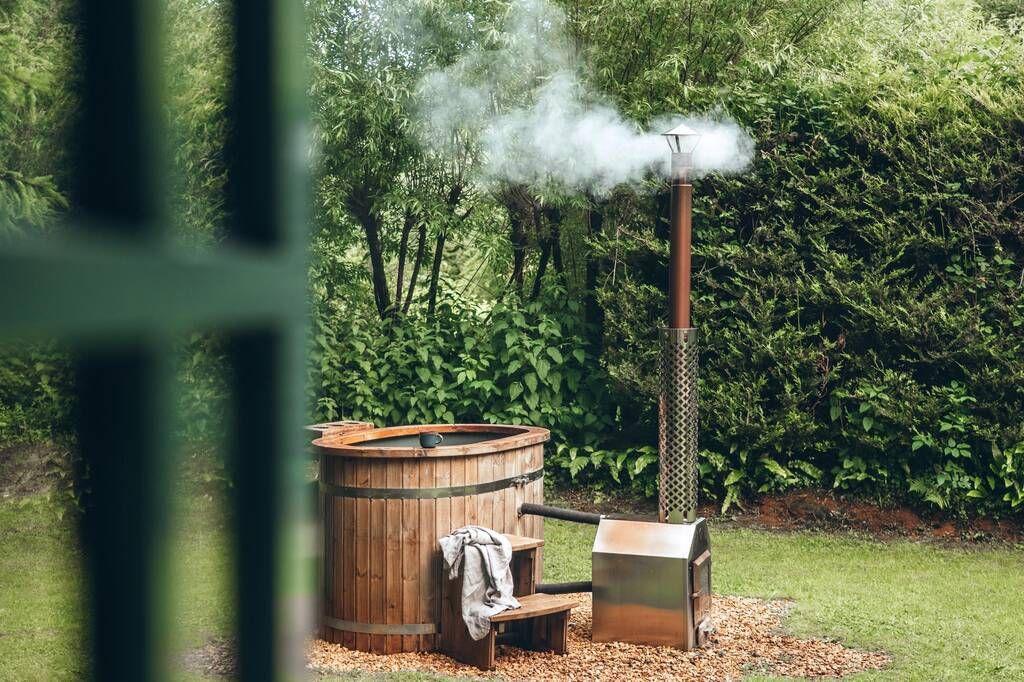
Step by step guide to lighting a wood-fired hot tub
1. Plan ahead
- Check with the owner how long the hot tub takes to heat up. This will stop you wasting wood, time and energy – as well as prevent the disaster of you being out for dinner when it’s ready.
- Lots of our hosts provide everything you need but if not, you'll need to gather enough wood before you start, including smaller kindling for lighting and larger logs for maintaining heat. Keeping everything nearby saves frantic woodpile raids halfway through the process.
2. Clean & set up
- Clean out the burner if it’s not already done, you can use a brush or small shovel for this.
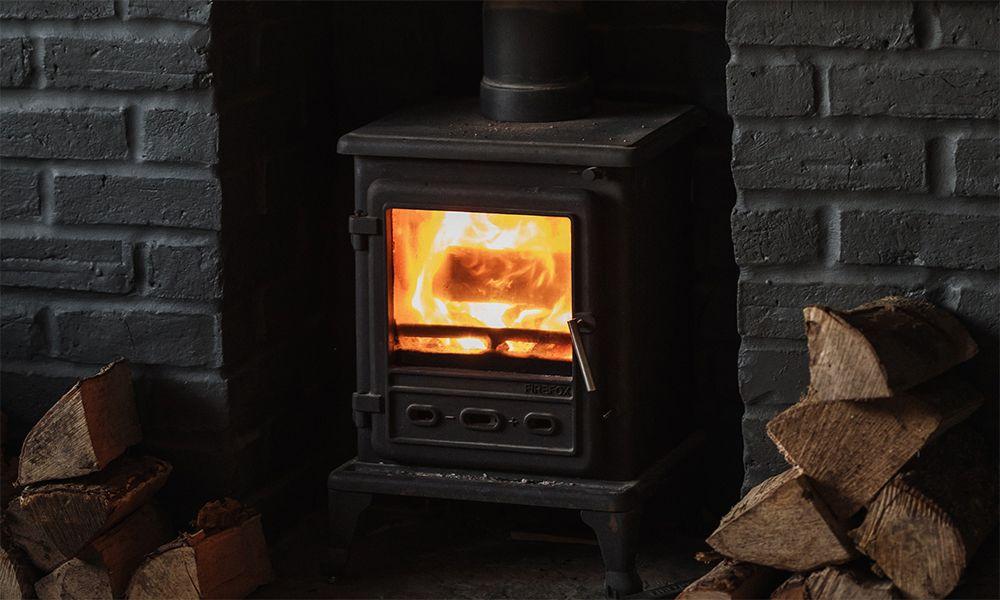
- Place firelighters and small soft wood pieces in a small pyramid in the centre of the burner, using a match to carefully light the firelighter.
- Leave enough space between the wood for air to circulate. A fire needs oxygen just as much as fuel.
3. Build the fire gradually
- Add small pieces of wood at a controlled pace, keeping a pyramid structure that allows air to the fire’s centre (it needs oxygen to keep burning). Let the heat build-up enough for larger logs.
- Now add slightly larger logs on the fire. Close the burner door after adding wood, but keep the vents open so the fire continues getting enough oxygen.
- Check the fire every 5–10 minutes and add logs little and often rather than overloading the burner all at once.
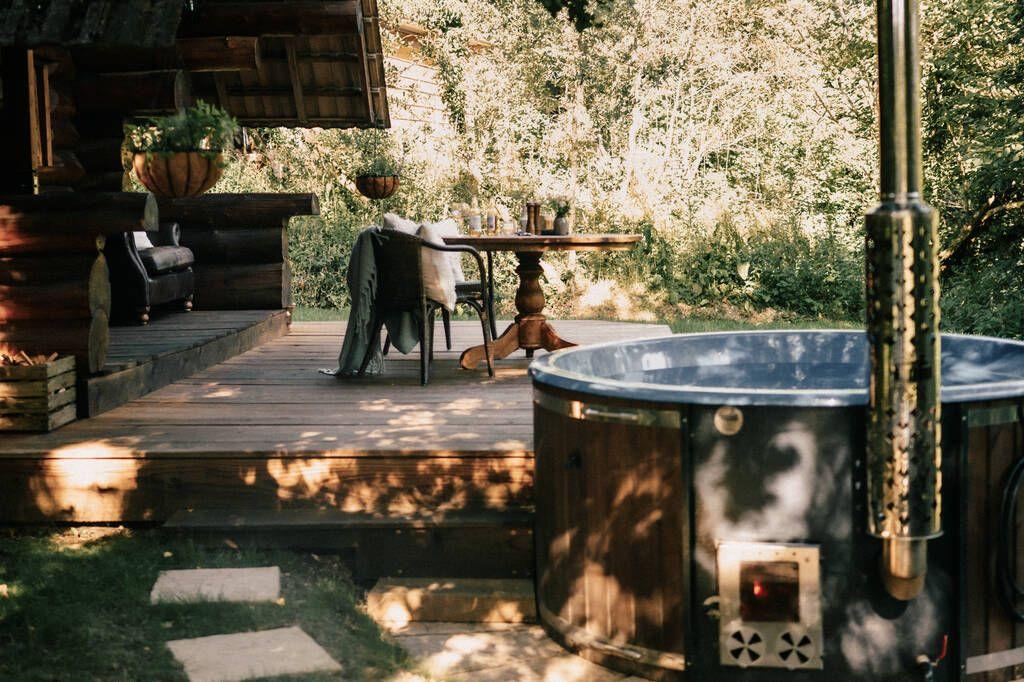
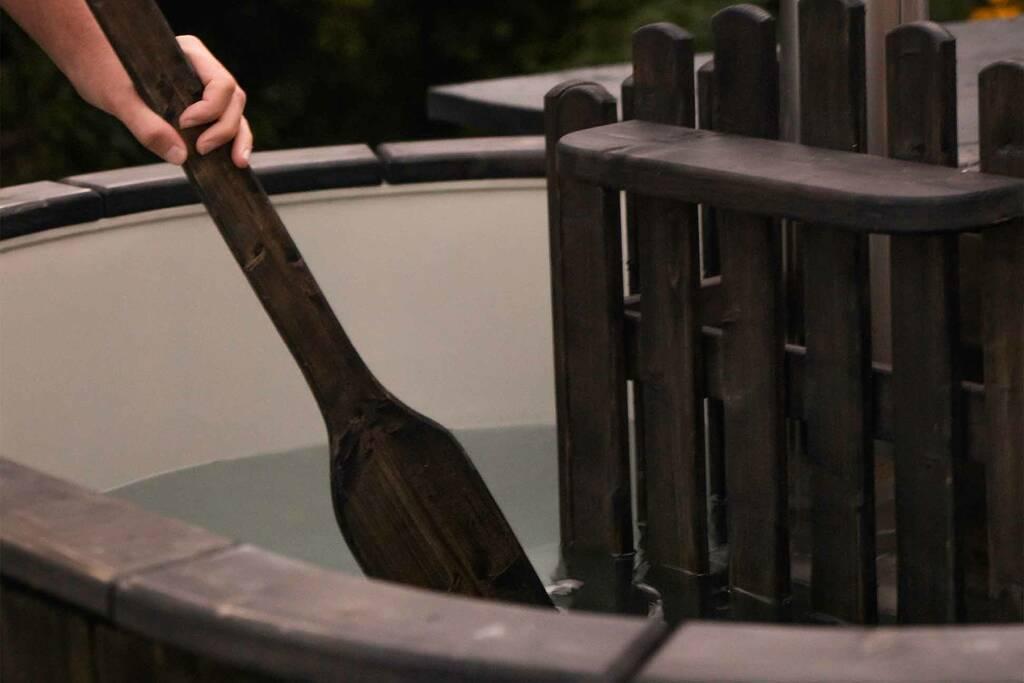
4. Stir the water while it heats
- Remove the lid occasionally and use the provided paddle to stir the water. Hot water naturally rises to the top, so stirring helps distribute the heat evenly throughout the tub.
- Without stirring, the surface can feel deceptively warm while the lower half remains chilly enough to make your first step in a memorable one.
- Once the water reaches around 35–37°C, it’s ready to enjoy.
5. Keep the fire going while you soak
- Place a log on the fire so it heats up a little more while you enjoy the relaxing tub. You don’t want the fire to die, but you also don’t want the water to get too hot, so use your judgement to keep it warm.
- A gentle steady burn is usually all you need. Think campfire rather than blast furnace.
- Then all that’s left is to switch your phone to silent, sink into the steam and watch the evening settle around you.
6. Best wood for a wood-fired hot tub
- Again, your host will most likely have everything you need ready to go, but dry seasoned hardwood is usually best for heating a wood-fired hot tub, as it burns hotter and lasts longer than freshly cut or damp wood. Hardwood logs help maintain a steady temperature once the fire is established.
- Softwood kindling is ideal for getting the fire started quickly, but larger hardwood logs are more efficient for longer heating sessions.
- Avoid treated, painted or chemically treated wood, as these can release unpleasant or harmful fumes when burned.
Common mistakes to avoid
- Leaving the fire unattended for too long
- Using damp or freshly cut wood
- Forgetting to stir the water
- Taking the lid off too often during heating
- Overheating the water above 40°C
- Adding too many large logs too early
Our top tips for a perfect soak
- Keep checking the fire. If you leave it and disappear for a few hours, the fire will die, and you’ll be left staring at a giant water pail.
- Keep the lid on the hot tub – you have saucepans at home, right? Same idea.
- Stir the water at regular intervals or you’ll get a shock when you step down into the cold depths.
FAQs about wood-fired hot tubs
Can you use a wood-fired hot tub in winter?
Yes, and many people would argue it’s the best time to use one. Cold air, hot water and star-filled skies make for a fairly unbeatable combination. Just allow extra heating time in colder weather.
Do wood-fired hot tubs need electricity?
Most traditional wood-fired hot tubs don’t require electricity for heating, which makes them perfect for off-grid cabins and glamping stays.
Why is my wood-fired hot tub heating slowly?
The most common causes are damp wood, insufficient airflow, windy weather or not stirring the water regularly.
How much wood does a wood-fired hot tub use?
It depends on the size of the tub and the outside temperature, but most hot tubs will need a steady supply of logs over several hours to reach temperature.
Ready to put it into practice?
There's nothing quite like sinking into a steaming wood-fired hot tub beneath the stars after you've lit the fire yourself. Explore our collection of cabins, treehouses and shepherd's huts with wood-fired hot tubs and find your next wild escape.
This article was originally published in 2022 and has been updated for comprehensiveness.
Other articles you might like