




Hot tubs & wild water: The perfect pairing for a nature escape
Some combinations simply belong together: sea air and chips eaten out of paper, sunshine and a pint, alarm clocks and the snooze button... Hot Tubs & Wild Water belong firmly on this list too.
Hot tubs have been our most in-demand stay feature for years, but the way people use them has changed. Gone are the days of treating them as somewhere to luxuriate with a glass of prosecco in a determined attempt to create some sort of spa day. Increasingly, guests have had the grand idea of pairing hot tubs with wild swimming, outdoor showers, outdoor baths and cold-water dips, all in the name of creating something that feels much more elemental.
Many of our tubs are wood-fired too, and while the ritual of lighting one is part of the fun, nobody wants to spend half their holiday conducting an increasingly tense relationship with damp kindling. That's why we've put together a simple guide to lighting a wood-fired hot tub, so you can spend less time figuring out instructions and more time getting pleasantly pruney.
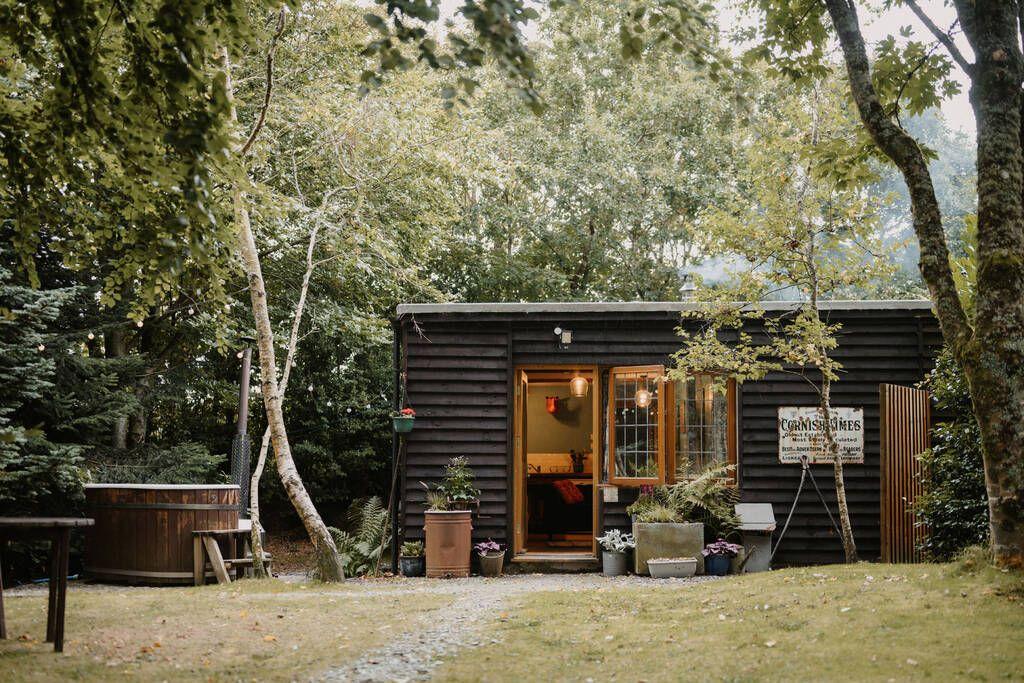
What do we mean by wild water?
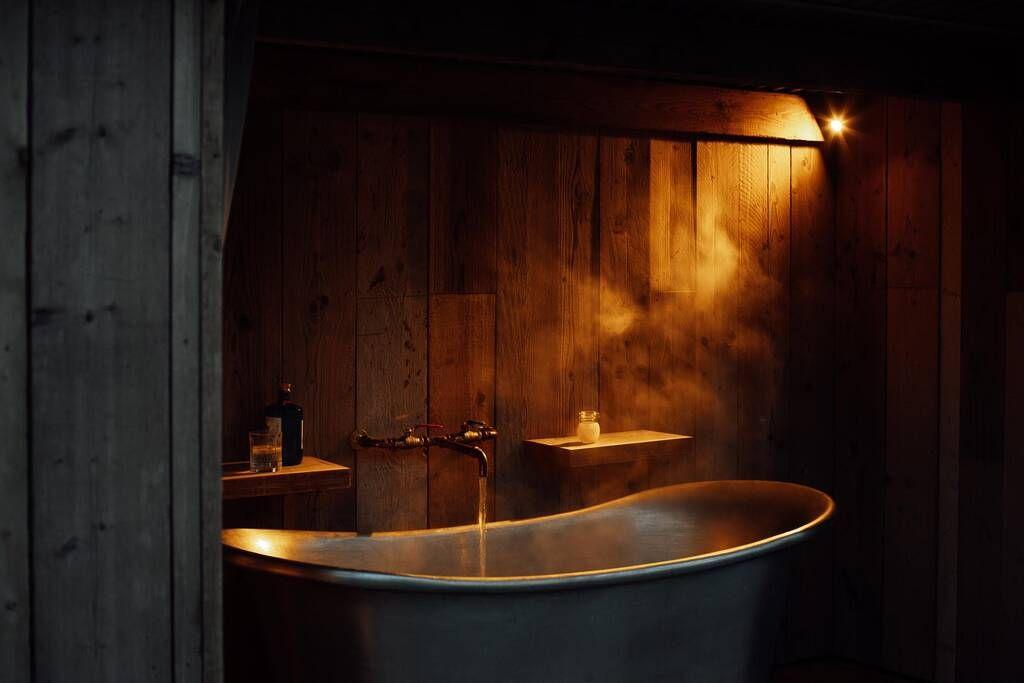
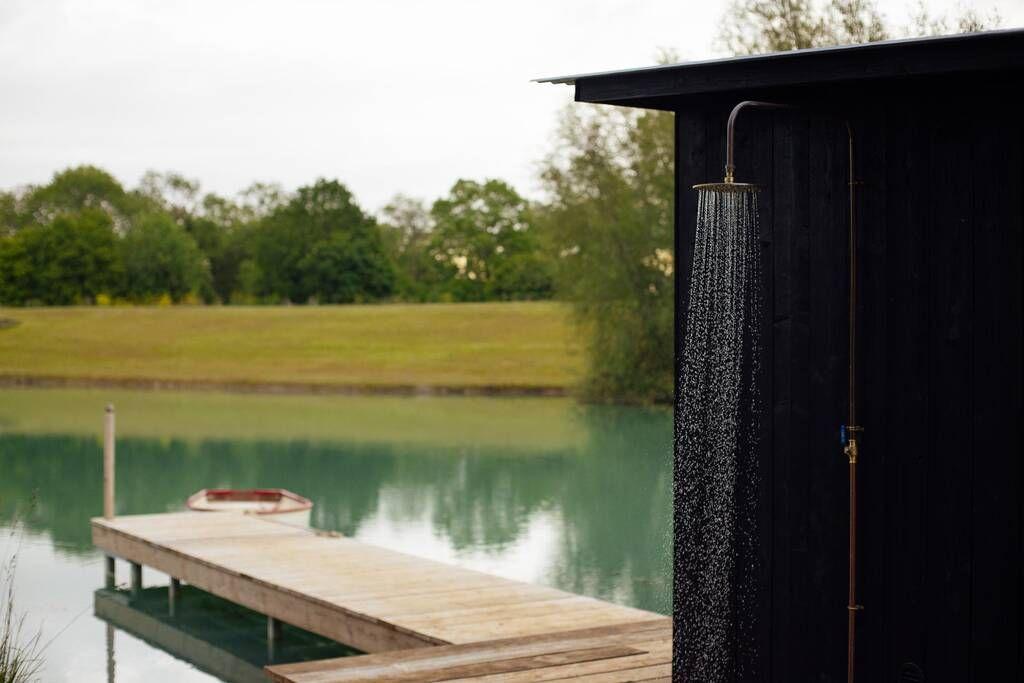
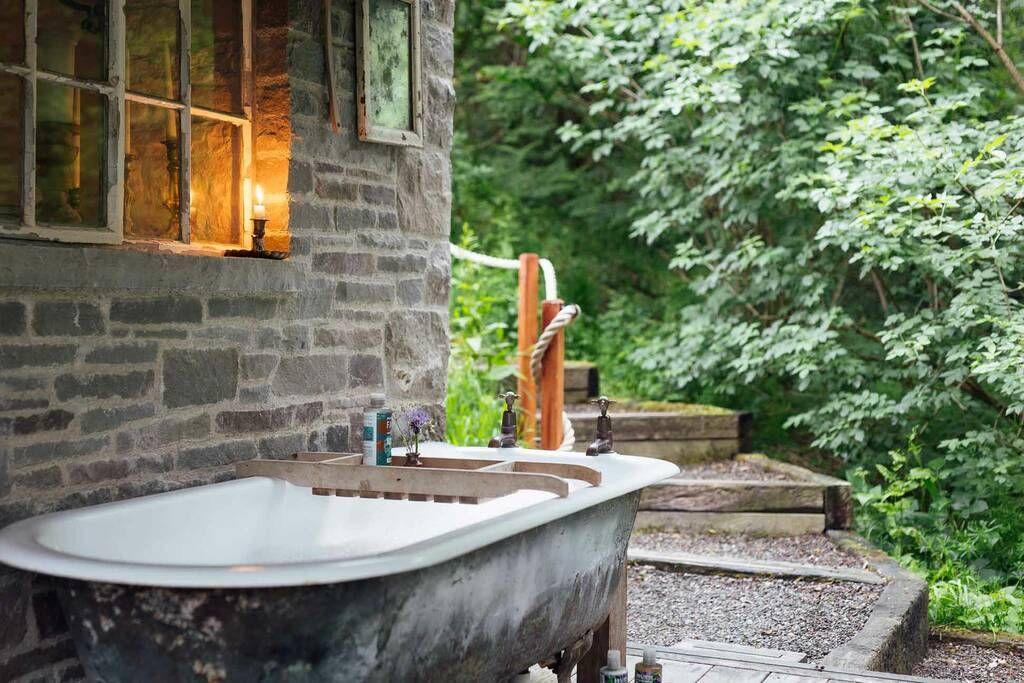
It’s simply water experienced outdoors and shoulder to shoulder with nature. That might mean experiencing the joy of swimming in a private lake just steps from your stay, popping on your birthday suit to stew in an outdoor bath (one of the best feelings ever), or rinsing off beneath an outdoor shower surrounded by green. Basically, if you're outside and water is involved, you're probably doing it right.
Part of the appeal is the contrast between movement and stillness. Some moments are active, like paddling across a lake or diving from a jetty with more confidence than grace. Others are wonderfully lazy, involving little more than floating, watching clouds drift overhead and wondering if it's socially acceptable to have a second afternoon nap.
For many people, it quickly becomes much more than just a swim. Former British surfing champion and open-water swimming coach Sophie Hellyer describes cold-water swimming as hitting a "reset button", helping her feel calmer, more connected and more in tune with nature. If you've ever wondered why people willingly plunge into freezing lakes before breakfast, our conversation with Sophie explains the appeal far better than we ever could.
Look, for some reason, water just feels better outdoors. We didn’t write the rules, it just does. Indoors, it’s functional, but outdoors, it makes you feel a part of the landscape, and you get the added drama of the British weather. Our collection of hot tubs, outdoor baths and and wild showers proves that getting outdoors doesn't always have to involve getting muddy.
What do we mean by hot tubs?
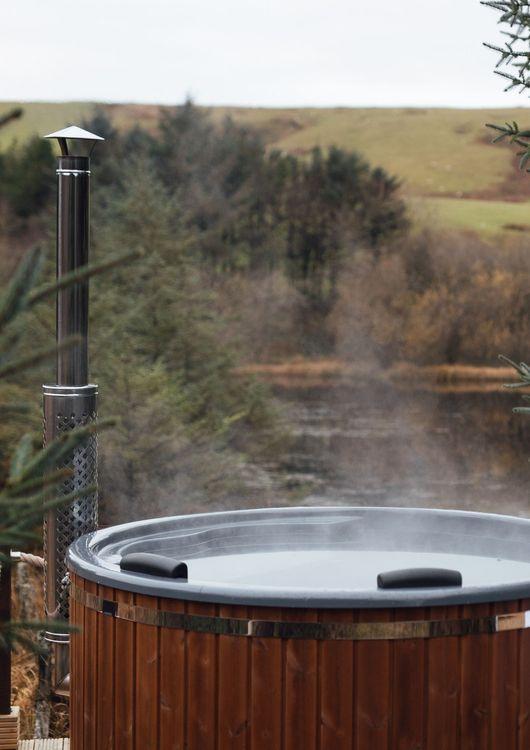
Not all hot tubs are created equal and when choosing which is the right type for you, it really all boils down to the type of holiday you want. Some are bubbling away and ready the moment you arrive, and some people love the instant gratification of stepping straight into warm water with a glass of wine before they've even unpacked. Others ask you to slow down, light a fire and wait for the warmth, a ritual which many of our guests find refreshing in a world that can feel more fast paced than some of us can keep up with. Here's a quick guide to the different types you'll find across our collection:
- Wood-fired hot tubs: Our most common type, and our personal favourite. They’re perfect if you enjoy slowing down, lighting the fire and listening to logs crackling while waiting for the water to heat. You’’ find yourself checking the temperature every twenty minutes and declaring "another log should do it" with increasing confidence.
- Wood-fired soaking tubs: Smaller than a traditional hot tub but every bit as relaxing. Usually designed for two people, these deep tubs offer an intimate soak while the fire keeps the water warm.
- Electric hot tubs: Always warm and ready, making them ideal for spontaneous morning dips or late night soaks.
- Cedar barrels and Scandinavian tubs: Crafted from cedar or other natural timber and inspired by Scandinavian traditions, where getting outside is as important as getting warm. They also get extra points for smelling incredible.
- Woodland hot tubs: Hidden among the trees, surrounded by birdsong, fresh air and complete privacy.
- Coastal & clifftop tubs: Soak while watching waves roll in, sea mist drift past and sunsets disappear into the horizon.
- Lakeside & mountain tubs: Made for warming up after wild swimming, hiking or long days spent exploring.
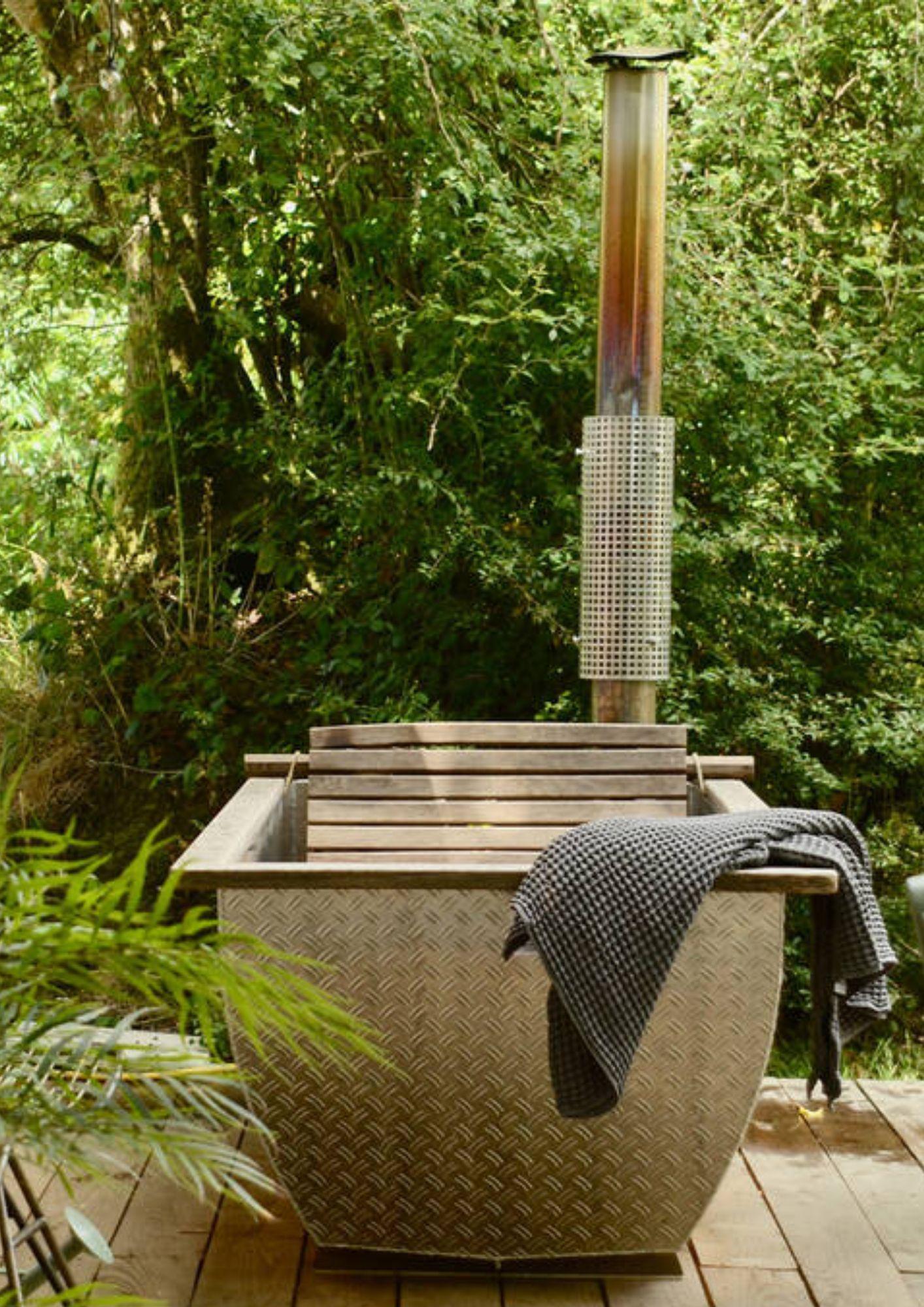
The power of hot tubs in nature
Maybe we’re biased, but warm water somehow feels better when the air around you is cool. A hot tub in a spa is fine, but a hot tub beneath trees while the owls begin their evening shift is something else entirely. There's something deeply comforting and magical about feeling cocooned in warmth while still being completely connected to the landscape around you.
It’s come as no surprise that hot tubs have become one of the UK’s most sought-after stay features, with more people looking for simple experiences that help them slow down rather than packed itineraries.
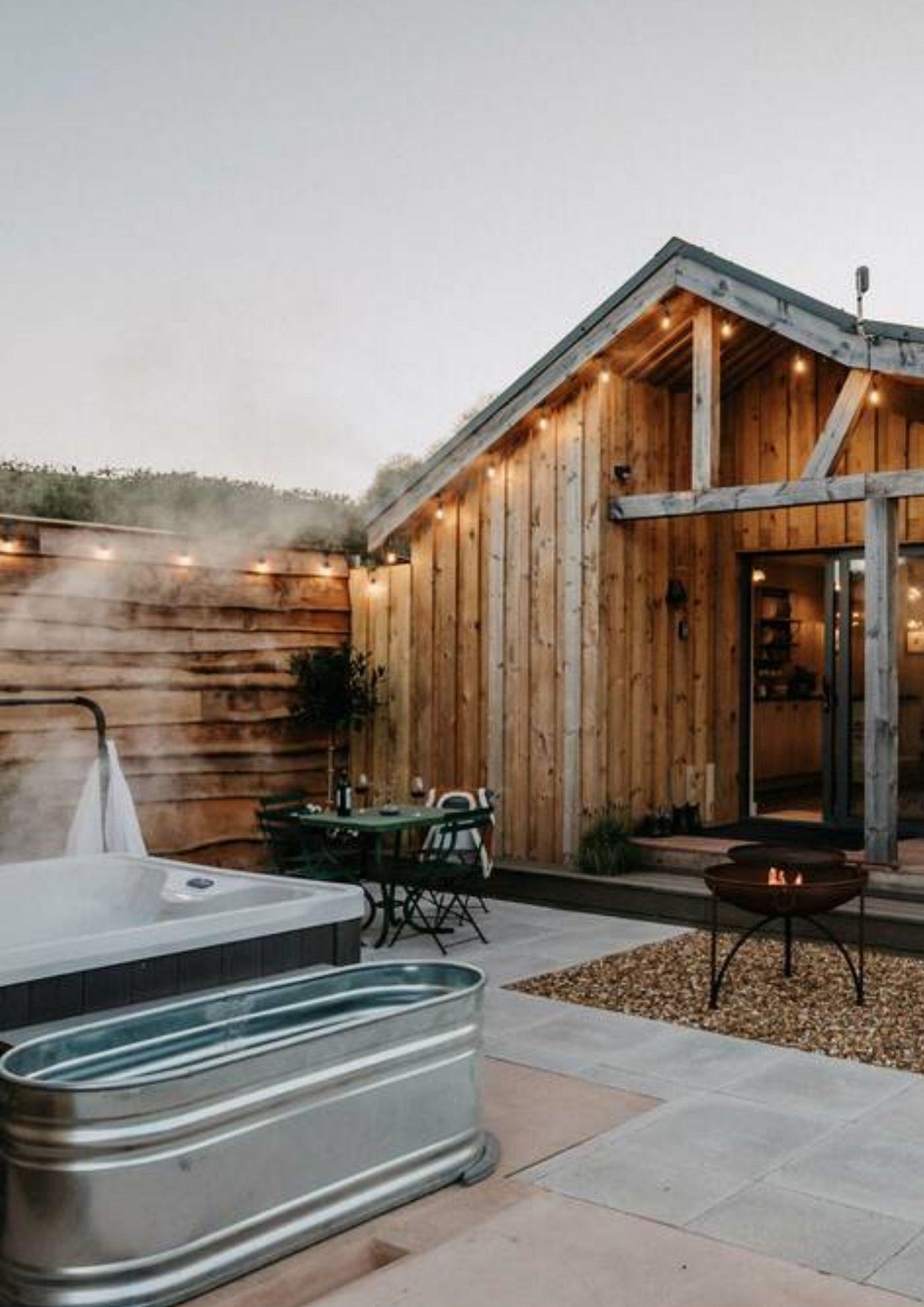
The power of hot and cold
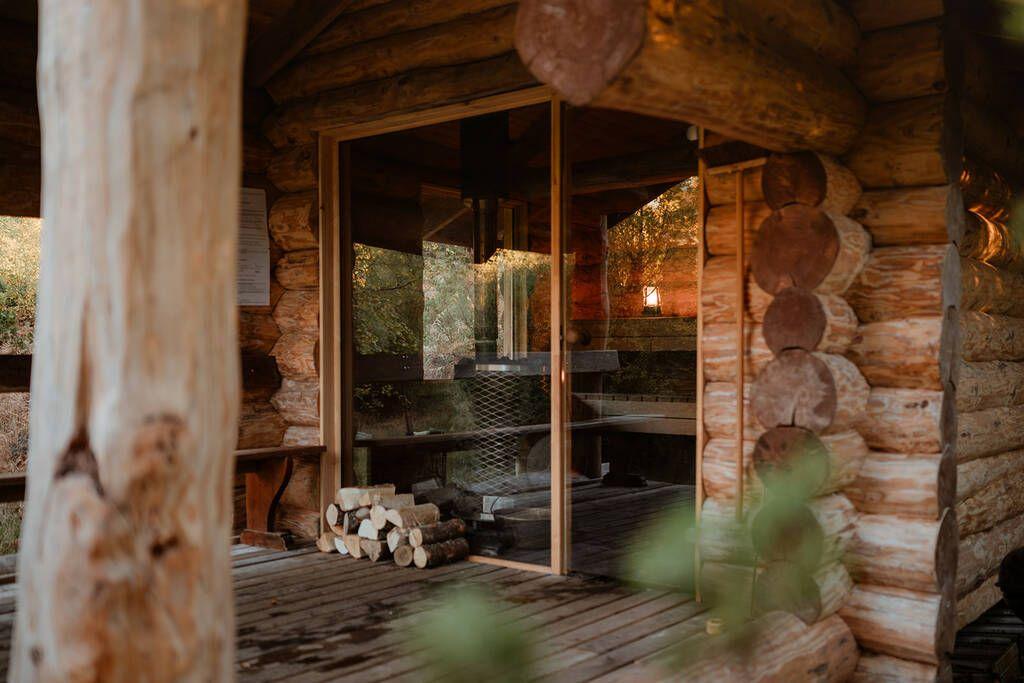
Long before cold plunges acquired branding and people started using the term "contrast therapy", Scandinavians had already worked out that alternating between hot and cold feels fantastic. Saunas followed by icy lakes have been part of Nordic life for centuries, and somehow that tradition has now travelled all the way from snowy fjords, across the pond and into our lakes, beaches and New Year's resolutions.
Wild swimming clubs are booming, lakeside saunas are popping up just about everywhere, and thousands of Brits are making it a priority to get themselves into a large cold body of water before work. Somewhere along the way, this Scandinavian tradition picked up the rather grand title of Viking wellness, which makes it sound far more intimidating than it really is.
Our bodies seem to be oddly drawn to contrast. Tea tastes better after a long walk, a campfire feels incredible when the air is chilly, and a hot tub somehow becomes infinitely more luxurious after partially freezing yourself first. And despite what social media might suggest, you don't need to own a dryrobe, know your Wim Hof from your wild garlic or keep a gratitude journal to join in on the fun. Underneath the trendy labels, the principle is wonderfully uncomplicated. Get cold > get warm > feel good.
If you're curious about trying it yourself, we've gathered some of our favourite places where you can combine wild swimming with a hot tub afterwards.
Who is this perfect for?
Not just wellness influencers and people who own expensive water bottles. Hot tubs and wild water are just as appealing for couples celebrating something special, people whose brains feel a little overcooked, first-timers curious about outdoor swimming and chilled adventurers who simply enjoy being outside.
You don't need an encyclopaedic knowledge of breathwork — just a body and a small amount of curiosity. The rest looks after itself. For many couples, shared experiences become the most memorable part of a trip, which is why our favourite romantic places with hot tubs are often chosen for anniversaries, birthdays and other milestones that deserve to be marked with a special occasion.
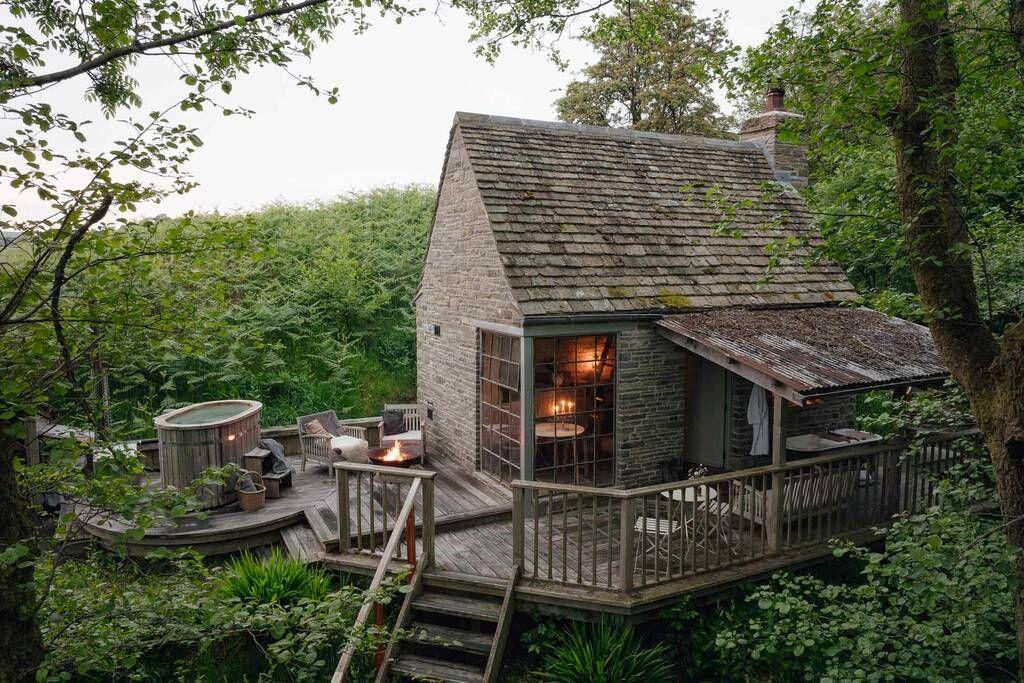
The routine of hot tubs
One of the nicest things about hot tubs is that they create routines all by themselves. Some people become morning dippers, with coffee and cold air to kick off the day. Others become creatures of the evening, ending the day with warm water and and dark skies. Then there are those enthusiastic souls who become part amphibian who structure their entire holiday around opportunities to get back in again.
It's surprisingly easy to build small routines around simple pleasures, which is why we've put together our favourite evening hot tub routine for stress recovery, turning the hour before bed into one of the best parts of the day.
What our guests say
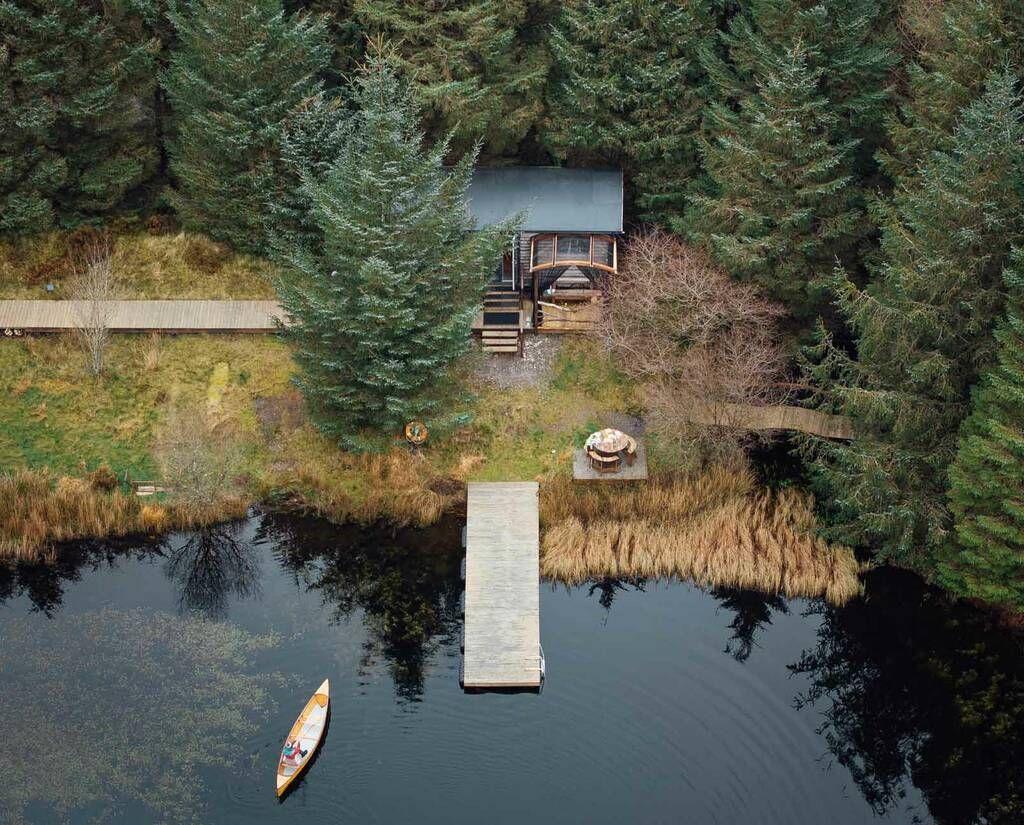
Green Retreat
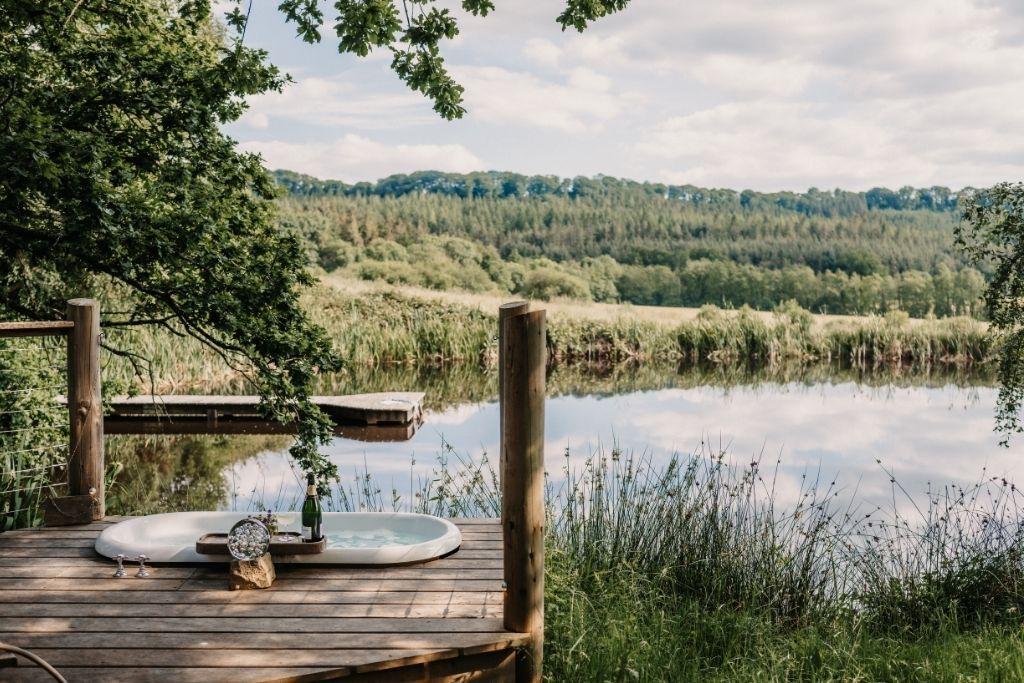
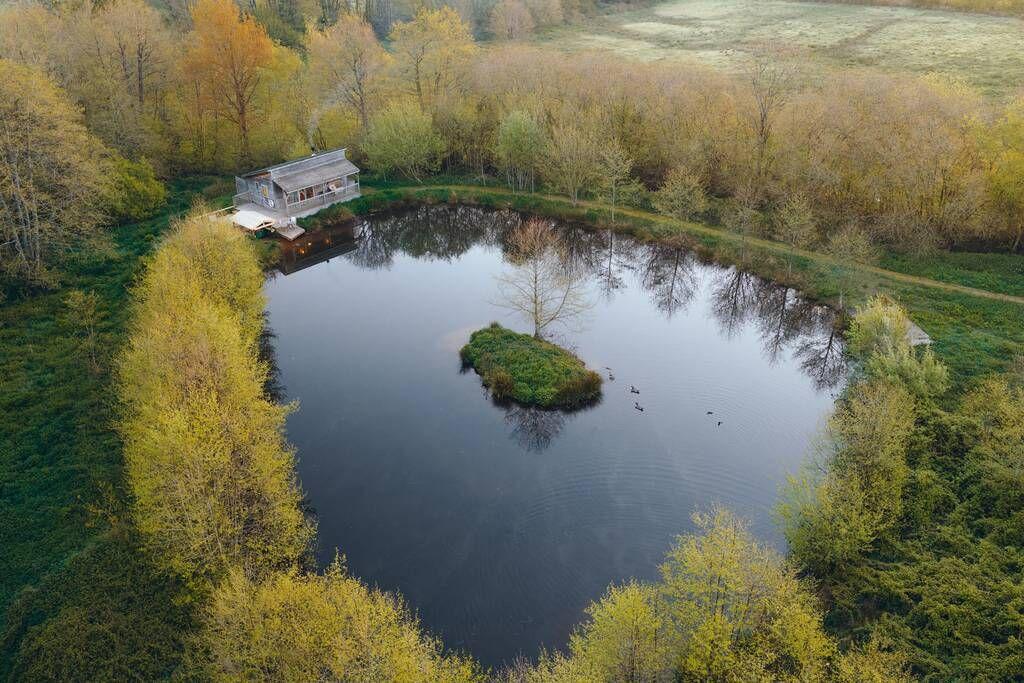
Gosling Lodge
Hot tubs & Wild Water FAQ's
Do I need to be experienced at wild swimming?
Absolutely not. Plenty of people are curious about wild water without considering themselves swimmers or wellness enthusiasts. Some guests spend the weekend plunging into lakes at sunrise. Others paddle for three minutes, declare themselves "refreshed enough" and head straight back to the hot tub. The beauty is that there's no right or wrong way to enjoy it.
Why do hot tubs feel more relaxing outdoors?
We're not scientists, but warm water somehow becomes approximately 100% nicer when accompanied by fresh air. Surrounded by trees, open skies or changing weather, the experience feels more immersive than an indoor spa environment. Many people find that being outdoors helps them slow down naturally and feel more connected to their surroundings, rather than tiled walls and the sound of someone else's slippers squeaking past.
Are wood-fired hot tubs difficult to use?
Not really, although they do ask for a little patience. They take longer to heat than electric hot tubs, but many guests find that waiting becomes part of the experience rather than an inconvenience. Lighting the fire, adding logs and watching the steam begin to rise creates a slower pace that feels surprisingly satisfying. Once you're in, the extra effort tends to feel well worth it.
Besides, anticipation is good for the soul.
Can hot tubs help you switch off on holiday?
For many people, yes. A hot tub creates a natural pause in the day without requiring much effort or organisation. There's something wonderfully liberating about discovering that your entire evening plan consists of hot water, fresh air and absolutely nowhere else to be.
Are hot tubs good after wild swimming?
Many people enjoy combining cold water with a warm soak afterwards. Moving between hot and cold has been part of bathing cultures for centuries and can feel incredibly restorative. Whether you're taking a dip in a lake before or simply warming up after a rainy walk, the contrast often becomes one of the most memorable parts of a stay. Plus, climbing into a hot tub after discovering how cold British lakes actually are is one of life's great rewards.
Why we're one of the highest scoring travel B Corps in the world
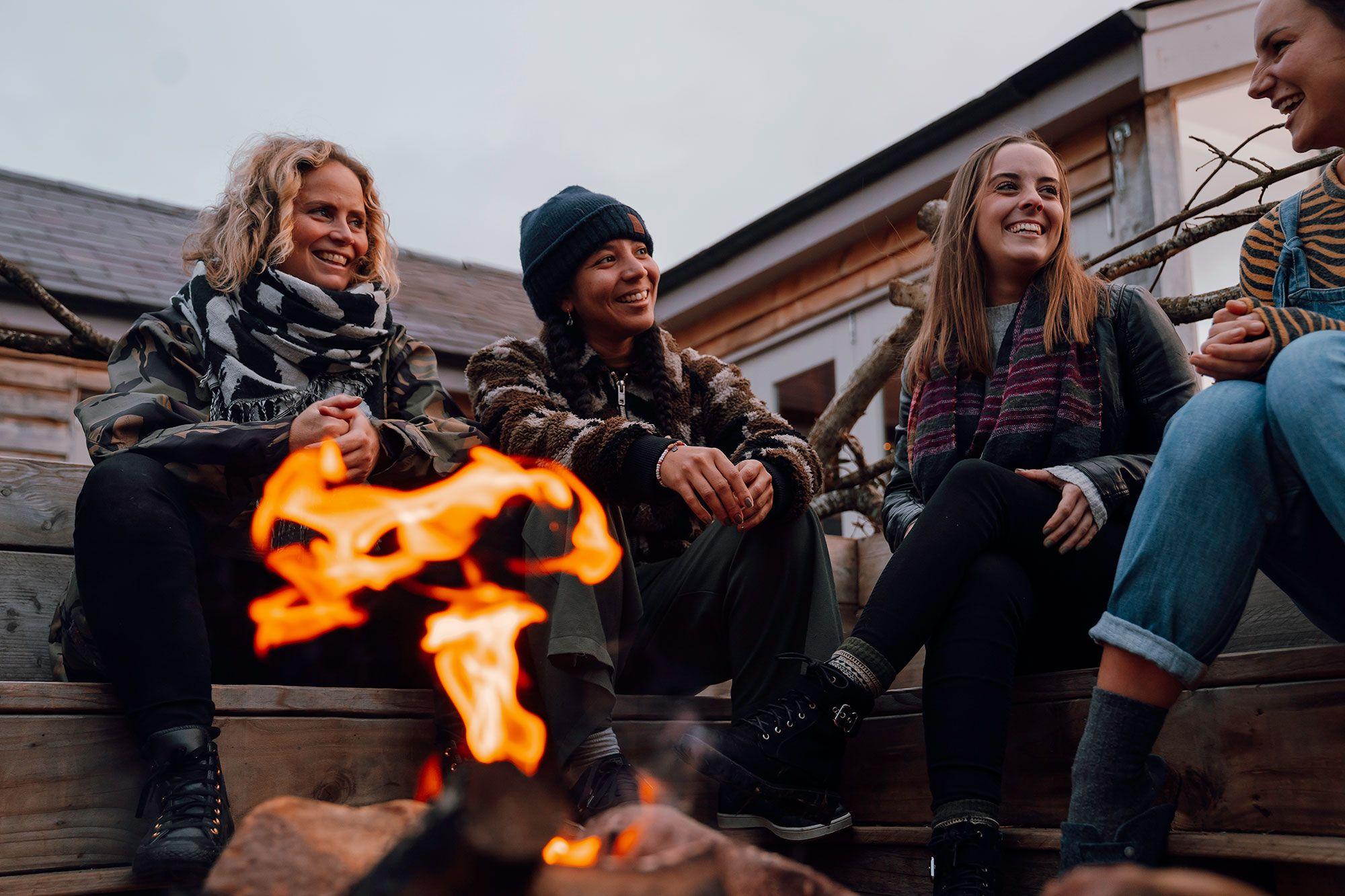
People
We're majority employee owned, which means we all get a say in how the business is run.
Profit
Our Charitable Trust uses 24% ownership of the company to support environmental causes

Planet
We're committing to raise £50,000 by 2027 to help protect nature in our national parks.