
A Life More Wild - Series 5, Episode 9
Luke Adam Hawker on etching under a poncho in the rain
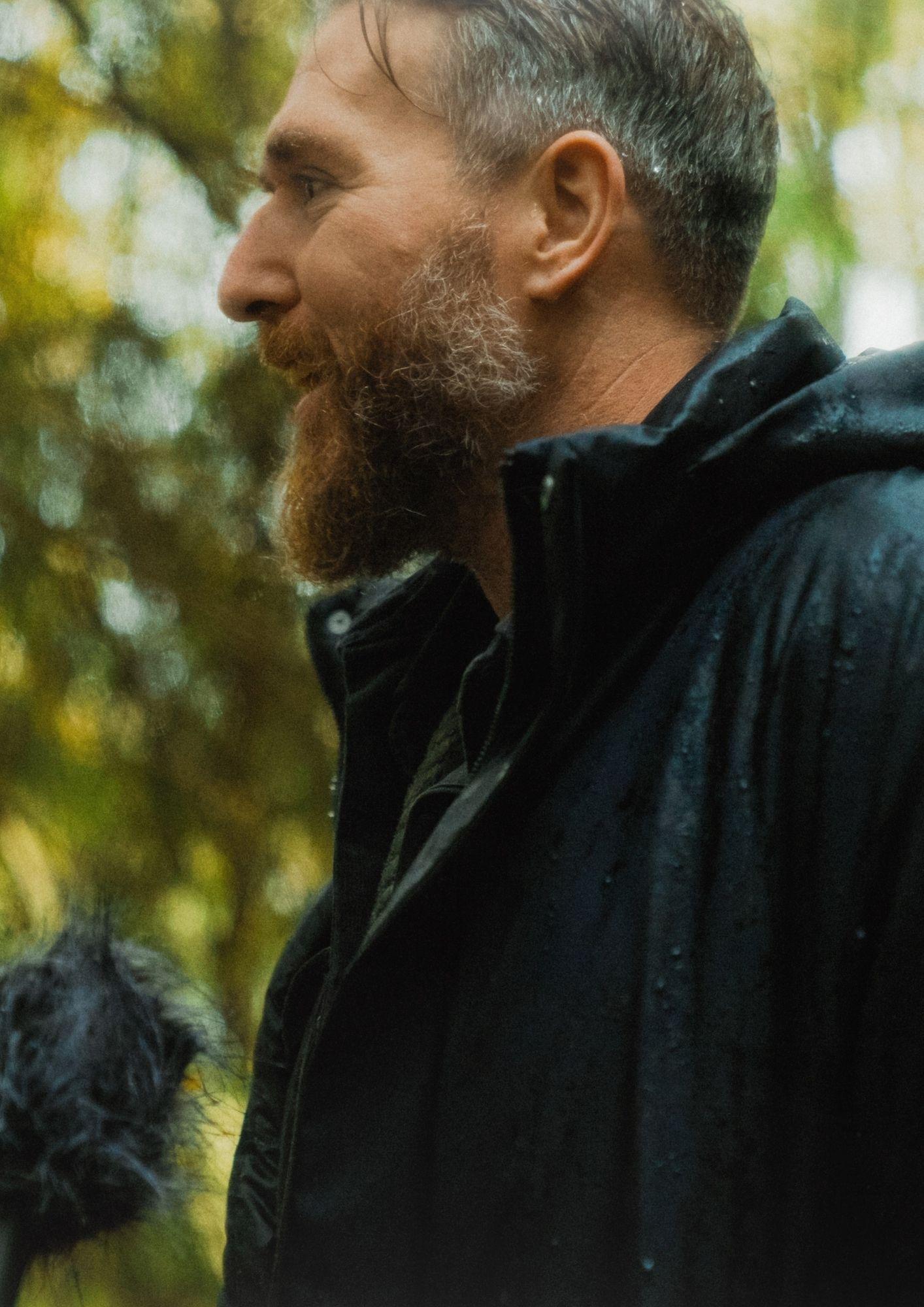
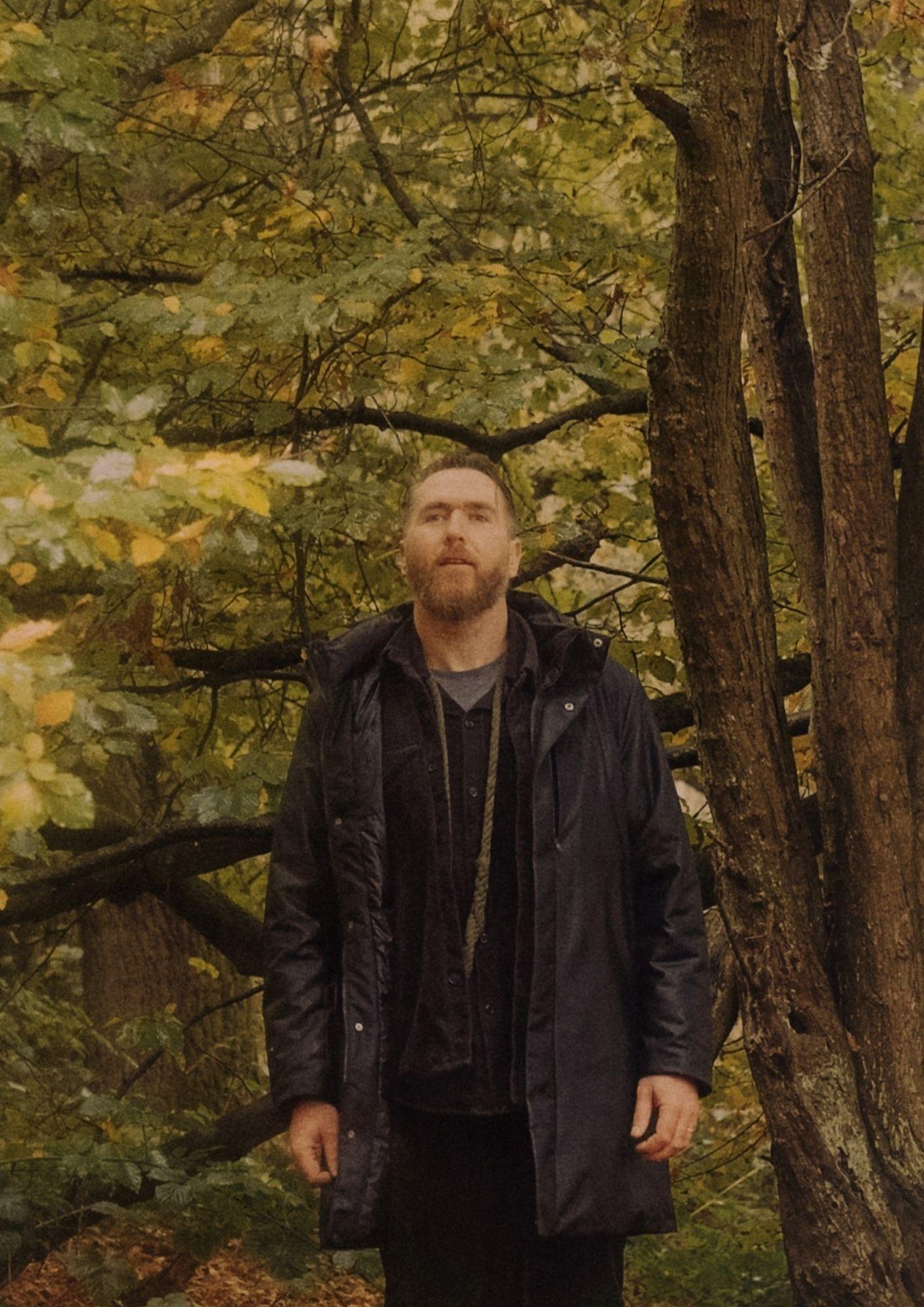
If you ever see a man standing out in the rain scratching the image of a tree onto a sheet of copper, you can be pretty certain it's Luke Adam Hawker. The artist and creator of beautiful books, prefers to work in the presence of his subjects, whatever the conditions.
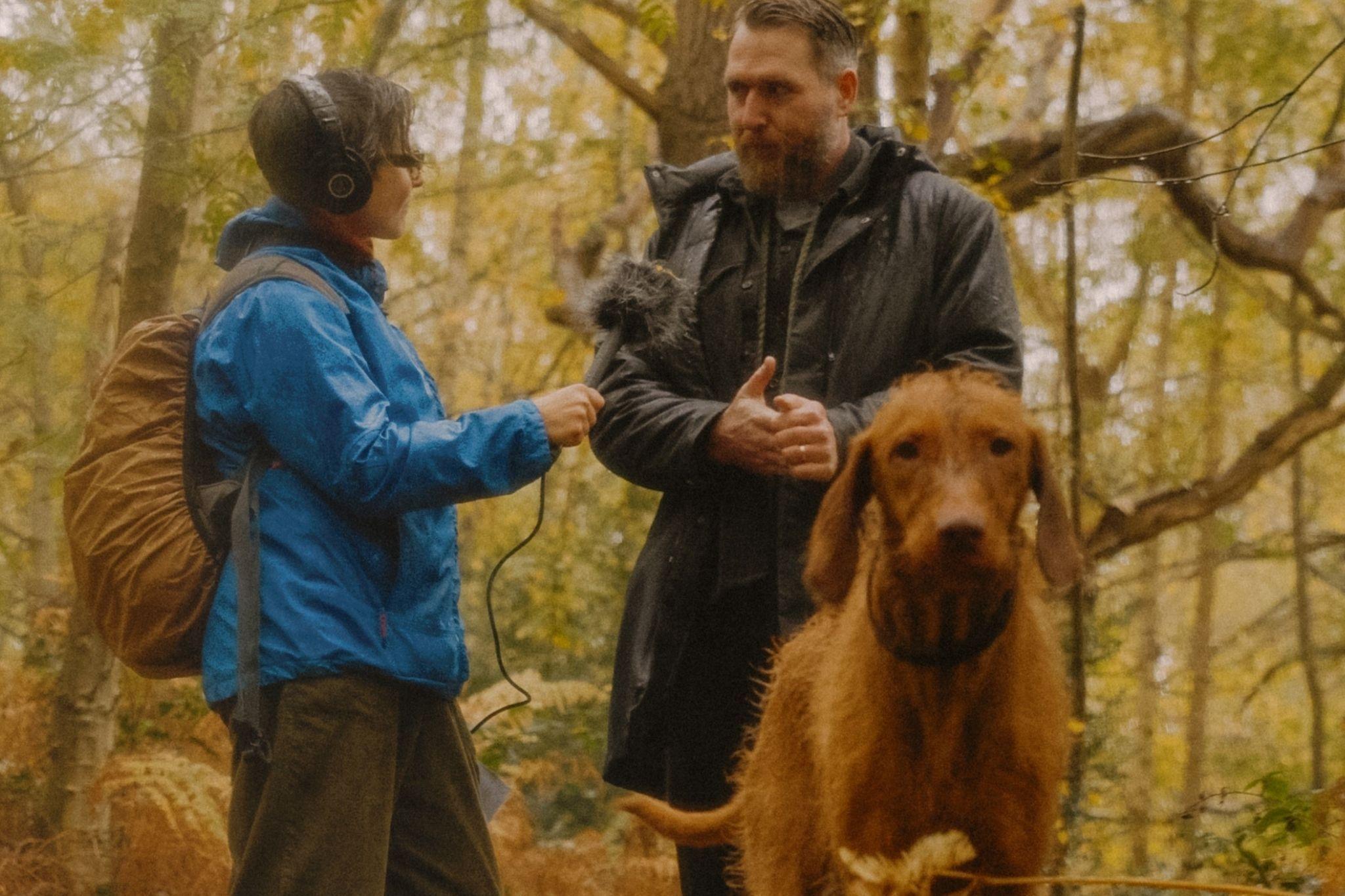
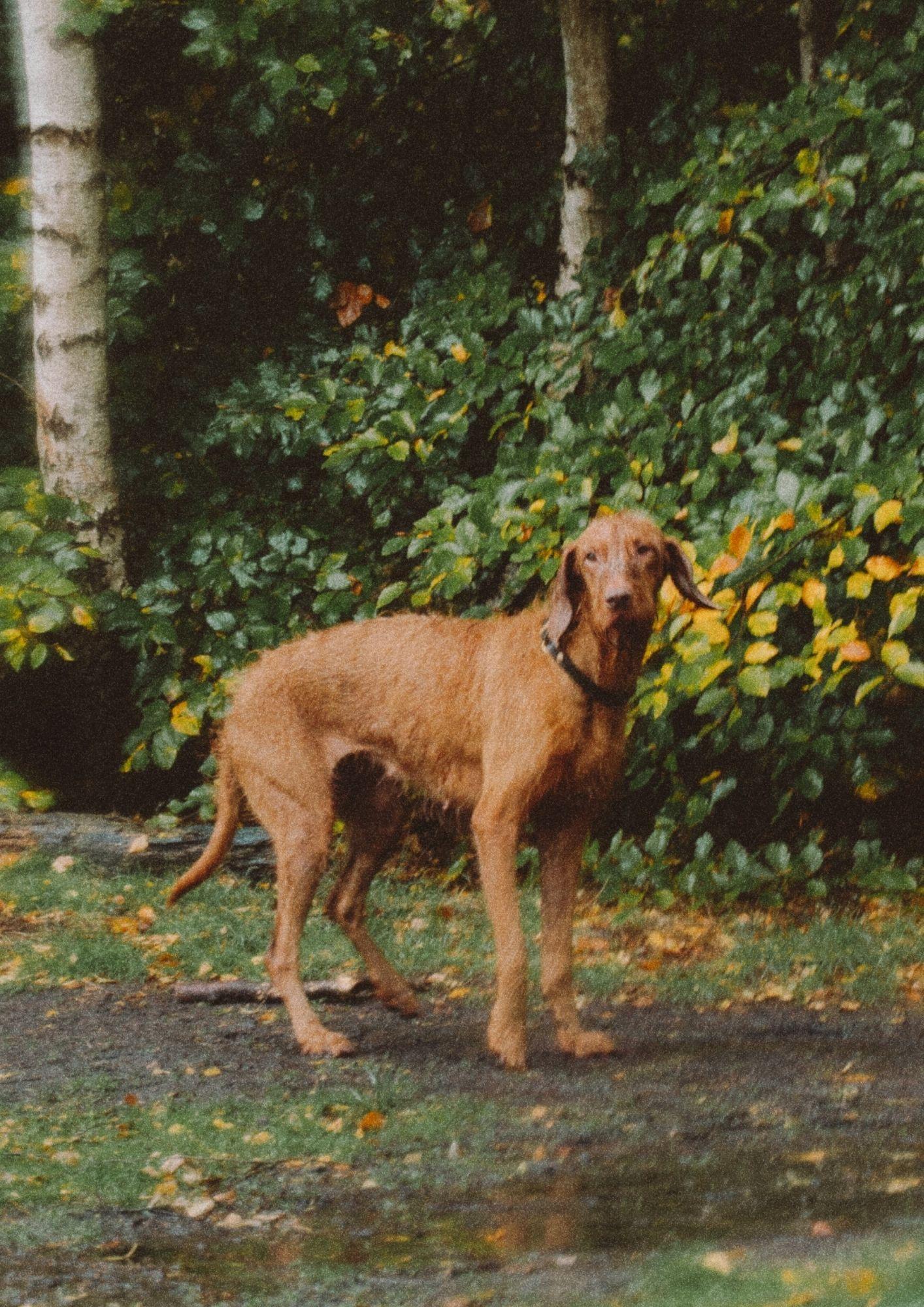
Join Luke and his dog Robin, now in the woods near his home, where he talks about capturing the spirit of trees, the difference between a picture and an artwork, and being a confirmed pluviophile, a lover of the rain, which, as it turns out, was rather lucky.
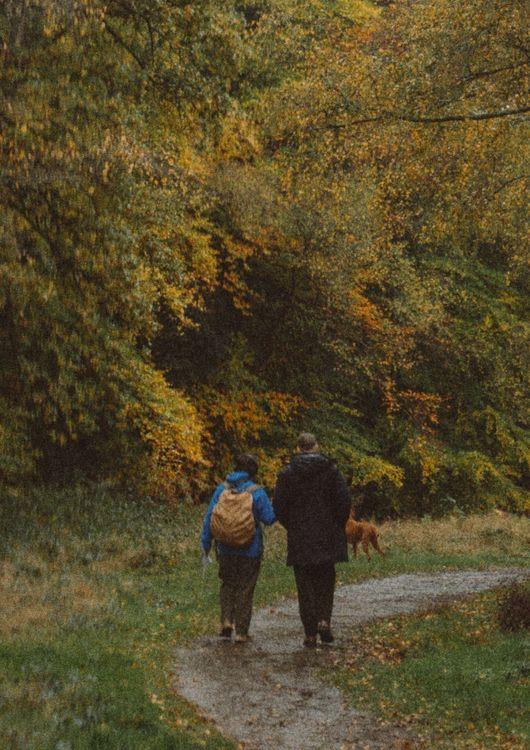
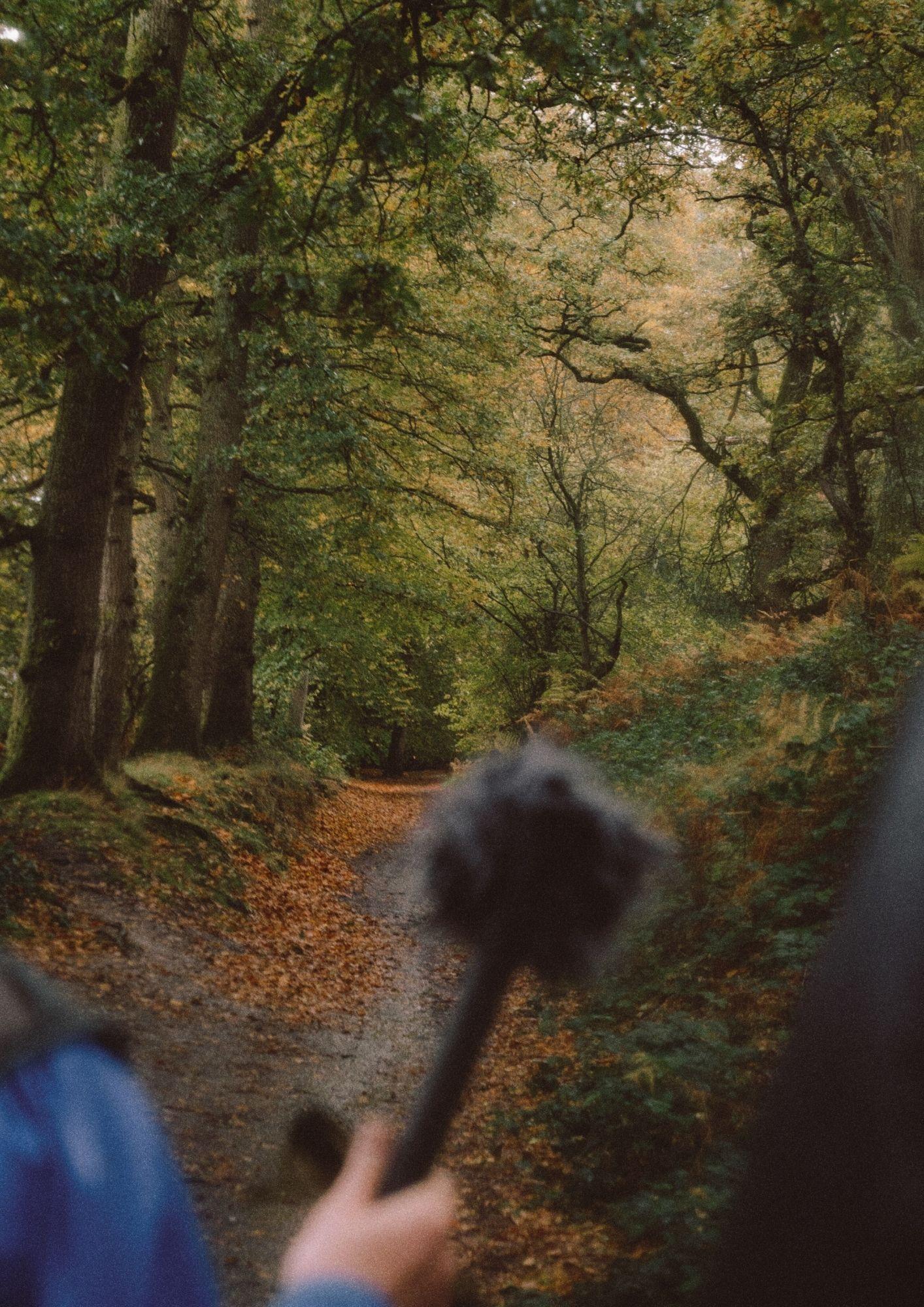
So currently, we're stood under a tree. It's raining. We're in the beautiful Abinger Roughs in the Surrey Hills, and it's a really beautiful mixed woodland with so many beautiful trees for us to walk amongst. That's why I brought us here. We're going to walk right through the woodland, and I'm going to show you a very special tree that I think you'll find really interesting.
So I'm walking this morning with Robin. It's my ritual, if you like. She's always by my side in the woodland, whether I'm drawing or, as you can hear zooming past. Especially when it's wet, she gets the zooms. So we are stood under an amazing beech tree, which is around between 200 or 300 years old, and visually, what we're looking at is this completely gnarled, twisted, sporadic, spontaneous form that just erupts out of the ground.
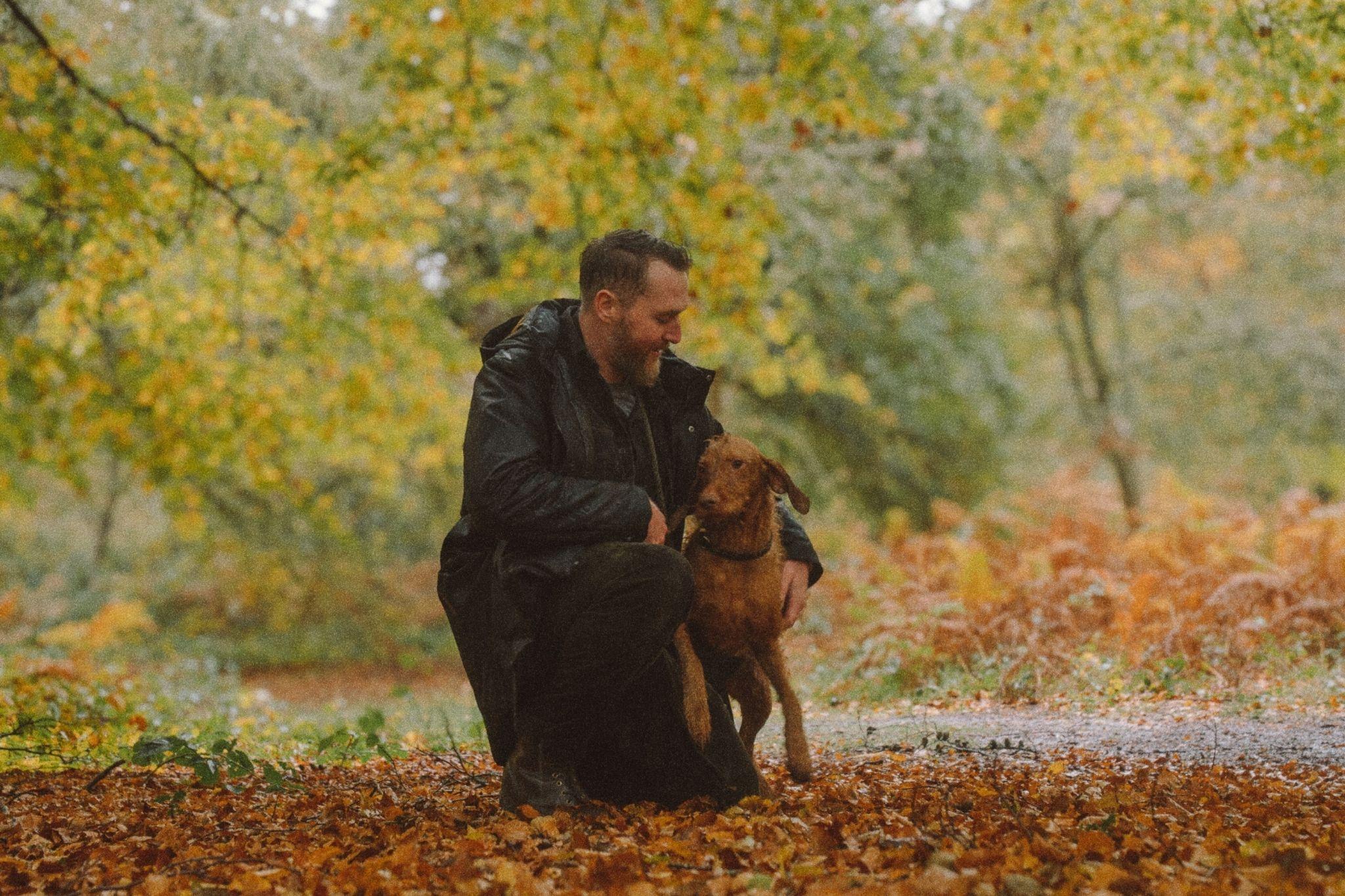
And there are two theories about this amazing shape. That it could have been from genetics, or quite likely it was bundle planted, which is when they group lots and lots of saplings, bring them together, and so they opt in. They grow into this amazing mesh of a tree, which is a bit of a mess, but I think it's beautiful for it, as you can see so many shapes, and it's like looking at a cloud. You can see so many things within it. When I'm drawing a tree at the easel, obviously, for years and years, I've been limited by weather. Working on paper, you have to really watch the weather.
So actually, coming out in the rain is something I love to do, but I was always limited by that. So recently, I've started working directly on copper. So I've been working in etching, and I'll bring my copper plate out at the easel, like I have done in this woodland, and I'll work with my needle, and I'll draw the tree in this heavy rain, actually in my poncho, because I was there all day, so I was rocking a poncho, and it was just a really beautiful, liberating, exciting experience. Because you realise, you know, you can get out and create artwork no matter the weather. And actually, I'm something you call a peluviophile, which is a lover of the rain. So any lovers of the rain out there, that's what you are. And there's many of us, once you get talking, and, yeah, I just love being in the rain. So bringing my art into the rain was really a beautiful experience.
I went full time as an artist just over 10 years ago now, in 2014 or 2015, after seven years as a designer working in London. I really kind of just got hooked on being out there in the city, drawing in my sketchbook. I started selling my work and and actually in selling at markets and things like that, as soon as I could cover my rent, I quit my job, which I did like. I actually loved that job, but I was just pulled away. I needed more freedom, creative freedom, really. So yeah, that's when I went full time.
And it didn't really coincide with my reconnection, this full connection to nature that I consider myself to have now, but it definitely was the start of getting there in terms of my time starting to become my own. I think that when you look at a connection like this, this connection with nature we talk about, I think, from a practical standpoint, it's just how you spend your time, how much time you choose to spend in among the trees, in the woodland, you know, wild swimming, whatever you choose as your connection point. It's just dedicating the time to it and being a full time artist, it allowed me to do that.
It was really when I moved to the Surrey Hills that I fully found that connection in my daily walks in the woods. So the city didn't really allow that. I spent a lot of time in the parks. I was really lucky where I was to have lots of beautiful, beautiful champion trees and these great parks. So we were really lucky, I think, to live in London and have those parks and trees on our doorstep. But it wasn't till I had that daily woodland kind of routine that I I feel what I feel now.
So the difference between working on location and working from the studio is vast. I've done commissions in the past where I work from a photo and I'm working in the studio and I can't deal with the disconnect. It feels like I am creating a picture, not creating an artwork. And it might sound like the same thing, but it's a very different thing for me. To have the artwork, this drawing at the end of it is very much a byproduct of the experience of creation, this process of creation, and it's always actually in other artists work, it's what I enjoy seeing, this story of creation, of connection. And I think when you work away from the subject, that's lost. So that's why I kind of predominantly do that.
The other thing I do is create a lot of books, and that requires working from my imagination. So a lot of the drawing is produced from my studio. But that's different, because it's being fed in from my imagination. So it's kind of a different process. Working on location is me soaking up all this inspiration, and then I have that stored for when I need that to come into my imagination. That's kind of how I try and think about it.
So when I'm drawing a tree, I'm not really aiming for anything. I'm not aiming for a likeness. What I want to do is, I want to get into the process of observation and looking. And for that to happen, you have to almost not think of anything you're aiming for, anything you're reaching for, any result. You just have to tune into the act of looking, act of seeing. And that's really what I love about it, because you can have a whole day in the woods and it just flies by. And it might sound like a negative thing, because you kind of want to hold on to it, but this concept of time is what my art has really helped me connect with more strongly. When you're in that moment, it's indescribable in terms of words.
So I have this drawing at the end of it, which seems to describe it far better than I could have done. And then when you're looking at a tree, and they're all so individual and full of character. And hopefully, if I've really kind of lost myself in that time and fallen into the drawing, it will appear. If I reach for it, I will have my more contrived conception of that character. So it's a bit of a complex way of looking at it, but for me, that's the simplest way of explaining it.
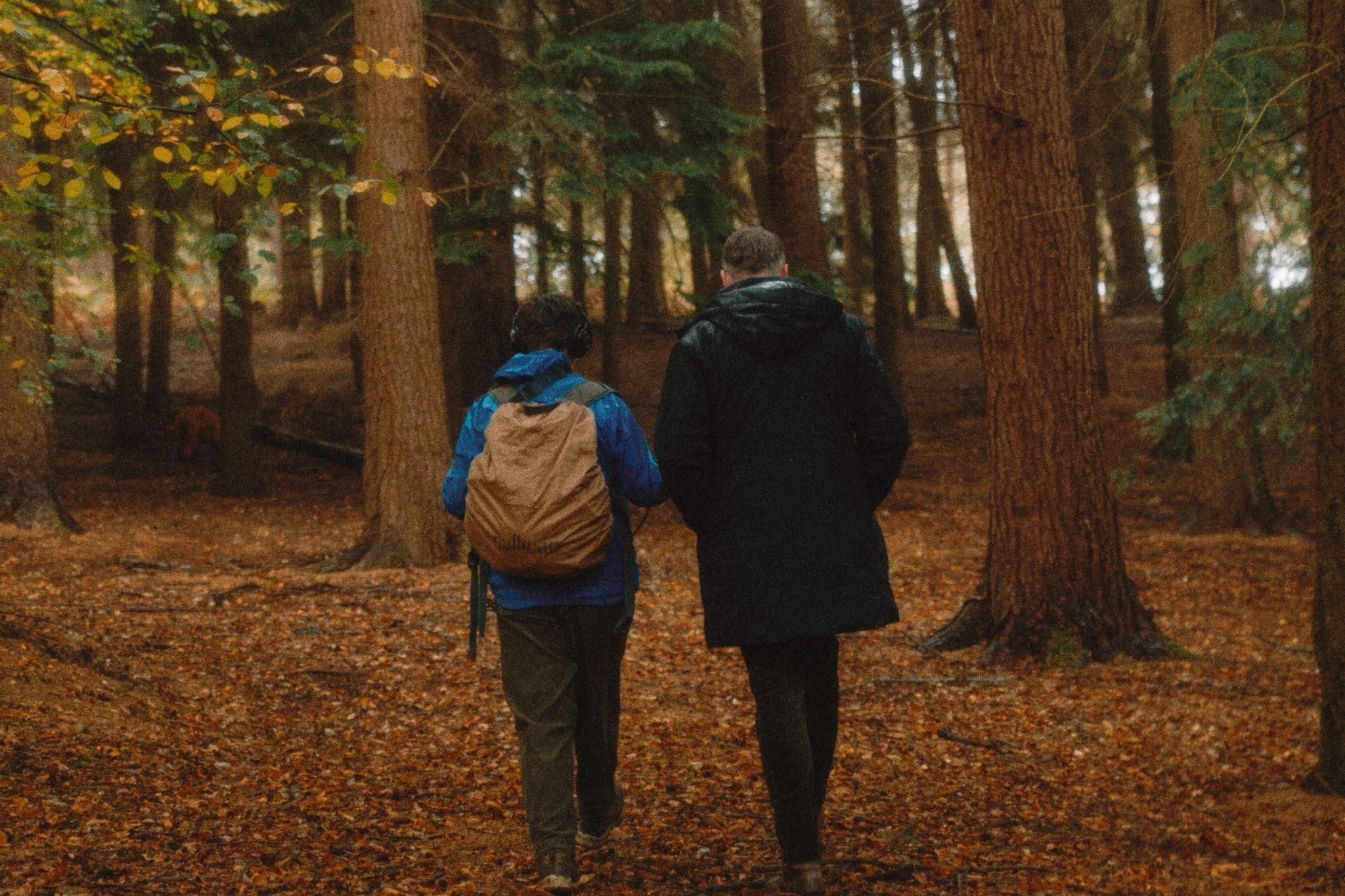
We're walking through... It's almost a glade, but actually it's just this really wide cleared path through the woodland, and it's a section where it narrows. So we can look to the left and see way off into the distance to further tree lines over a field and a similar landscape to the right, and it's really opened up with the rain. So you might be able to hear just how heavy it's falling, and it's kicking up all of that beautiful smell in the wood. I personally believe the woodland is the best place on earth to be. Where we're stood it's fairly mixed. There's a lot of beech, there's some hornbeam, and there's a big Scots Pine to left, which I absolutely love. Scots Pine, they have so so much character, and you can always spot them a mile off, and it's one my son always likes to point out, because he's a big student of the trees.
When I'm talking about my son, I have to be careful to not get too emotional. I'm so proud of him. He is coming up to five years old. Well, five in March, yeah. So he's almost five, and he is nonverbal. He has something called X, X, Y, so he has an extra X chromosome, and that's created a lot of challenges for Harry and therefore us as parents to deal with that. But it's also, I think, reminded us how amazing difference is and he's taught me so much. He's taught me more than any spoken conversation I've ever had, and he hasn't said a word.
It's actually strange that he's not here with us today, because it's half term, and every morning we've gone out into the trees, which is kind of part of our routine. But Harry loves to learn. So we have these matching cards at home. It's actually called match a leaf. And what we do is, there's 25 trees, 25 leaves, and he'll obsessively do that every morning, without fail. And one time I was jokingly saying, "Oh, Harry, where's Pinus Silvestris?", the Latin name. And he knew immediately where it was. So he's taught me the Latin names of these 25 trees, and he knows them. So if you have them all laid out, then he will not only be able to match the leaf, but also knows all the Latin behind it, and there's just so much of that about him. He'll surprise you, and I've learned to just never underestimate him. But broader than that, he doesn't have a conventional voice, and he's definitely made me a more far more considerate person, and I'm so thankful for that.
So every time we go out into the woods, and I think this is where it begs the question, is this partly nurturing a love of trees, or is it partly just completely inherent in all of us? I think, given the opportunity, and the way in which I think I'm facilitating it as a parent, is I'm just, I bring him to the woods, and that's really all you have to do for children and adults to create a connection, build a bond.
So he has built such a strong bond that when he walks through the woods now, he will select individual trees to hug, and of course, I show him this kind of, oh, let's hug a tree, because it's something I do, and it's actually one particular tree closer to where we used to live that we really fell for. And we would go and we would hug. And now he'll walk in our local woodland, and he'll just pick out individual trees. And it's a mystery.
I asked him, you know what makes you choose that tree, Harry? And then, obviously, him being nonverbal, you're kind of a bit of a detective. And fortunately, he can use sign language. So Harry signs so we can have these conversations that are very much kind of led. He just seems to think that some need them more than others. He's got that in his head, and it's just so it's so wonderful to see, because sometimes I won't be in the best of moods and will be out walking, and he will just bring a smile to my face, no matter how I'm feeling, it will just bring me joy. So yeah, Harry's connection with trees is a physical one, but also there's something deeper going on that I can't understand, and I think he can, and I'm okay with that.
To think of a world without trees is, I think, on one hand, quite a scary idea. But also it helps us understand their value. Some of you might have heard of my book, The Last Tree, which is really all about that, that question, you know, what would a world look like without trees? And it's an interesting exercise, because you realise how fundamental trees are to life, but not how necessarily fundamental they are to us as a society, or at least how we behave as a society around trees. So what I mean by that is, of course, if we let them, I truly believe trees have the answers to a great deal of our problems.
I don't always actually head out into the woods with a sketchbook. I don't have one. I think drawing can be the best way to be in a moment and connect and just simply be. But it there can be, if you kind of have this mentality of always needing to be doing it, there's a pressure there, which I want to avoid. So when I head out into the woods with my sketchbook, it's quite a deliberate experience. When I'm in the city, I used to nearly always have my bag on me and always have a sketchbook with me, and it was a far more spontaneous process. But as life has grown more complex, and I have a family, it has to be a more deliberate act.
And I think that a lot of people who want to draw, they find themselves too busy to do so, and I guess the only way to combat that is making drawing part of your busy routine. And obviously being a professional artist, that is something I do and I prioritise and it’s easier for me to do. So I understand when people struggle, but at the same time, there are so many benefits to drawing and carrying a sketchbook with you and just grabbing that small sketch.
We've just come back. Well, I'd say, a couple months ago, we came back from the art retreat in France, and you know this was probably the main thing, this permission and discipline to give yourself time to draw, or anything that you find grounding in a life that is just growing more and more complex is harder and harder to do. So, yeah, I sympathise with people, and I encourage them to kind of find their way to ground.
So when it comes to creating an artwork with etching, which is something I'm doing more and more, there's some beauty to the alchemy of it. With a drawing, I've been drawing now for my whole life, in pen and ink for a big chunk of that, and what etching does is it brings drawing into the big part of the process. But there's an element, another element, which kind of brings spontaneity and surprise, so I won't know truly what the artwork will look like until I pull that first print. And that, for me, is just so incredibly exciting after, after kind of gradually creating artworks that slowly appear to have a sudden reveal, and also knowing that you could have wasted all that time, it adds a Jeopardy, spontaneity and alchemy to my work that I I kind of, I just get... I wake up excited about it. It's that yes, that fundamental. So that's kind of what makes it worth all the madness and many hours and using these ancient techniques. There's a part of the process where you have to blacken the ground on the plate where you're kind of in the studio late at night with these candles blackening copper. And you just think, what am I doing? But it just feels right. It feels right.
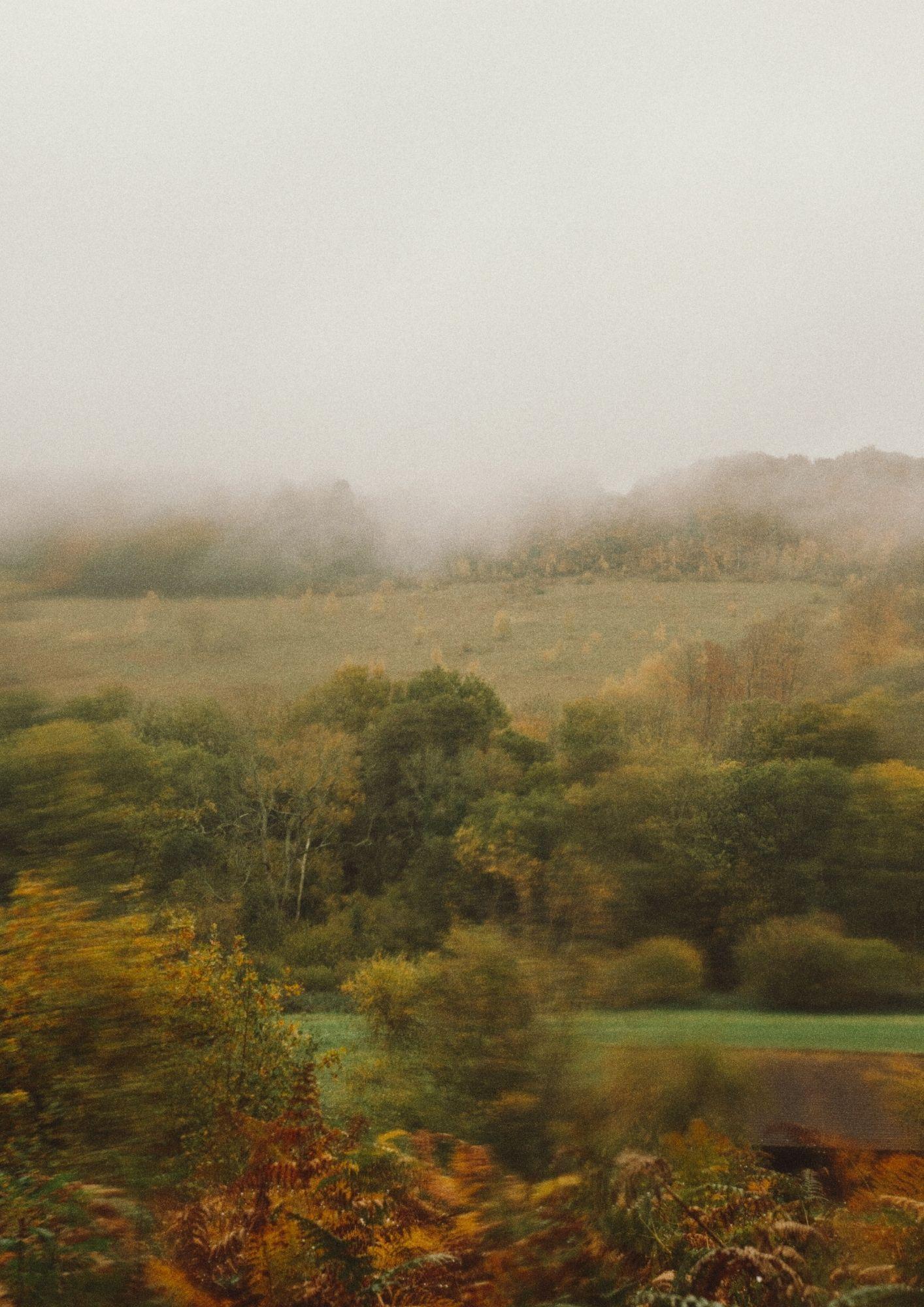
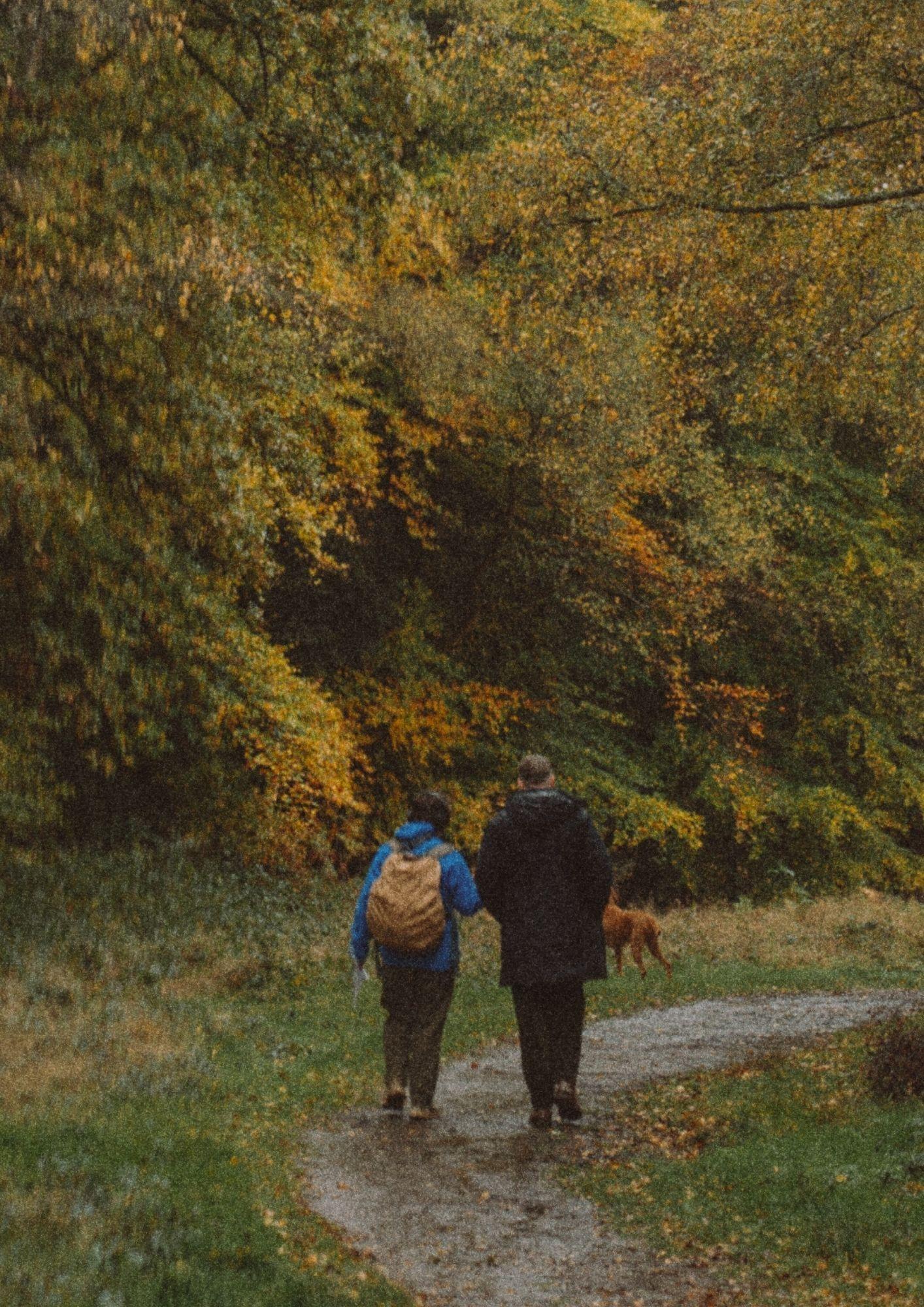
As the weather, worsened, even someone as happy in the rain as Luke eventually preferred to head back inside. But maybe next time it's tipping down, try stepping out and feeling the water fall on you, or wait until it's dry and do some sketching outdoors, anything that helps you lose yourself in nature for a moment. As always, we'd really appreciate it if you could rate and review A Life More Wild wherever you get your podcasts and remember to check out our Quick Stroll series while you wait to take a walk with another great guest you.
Keep up with Luke's latest projects and adventures in the woods over on Instagram.
Why we're one of the highest scoring travel B Corps in the world
People
We're majority employee owned, which means we all get a say in how the business is run.
Profit
Our Charitable Trust uses 24% ownership of the company to support environmental causes
Planet
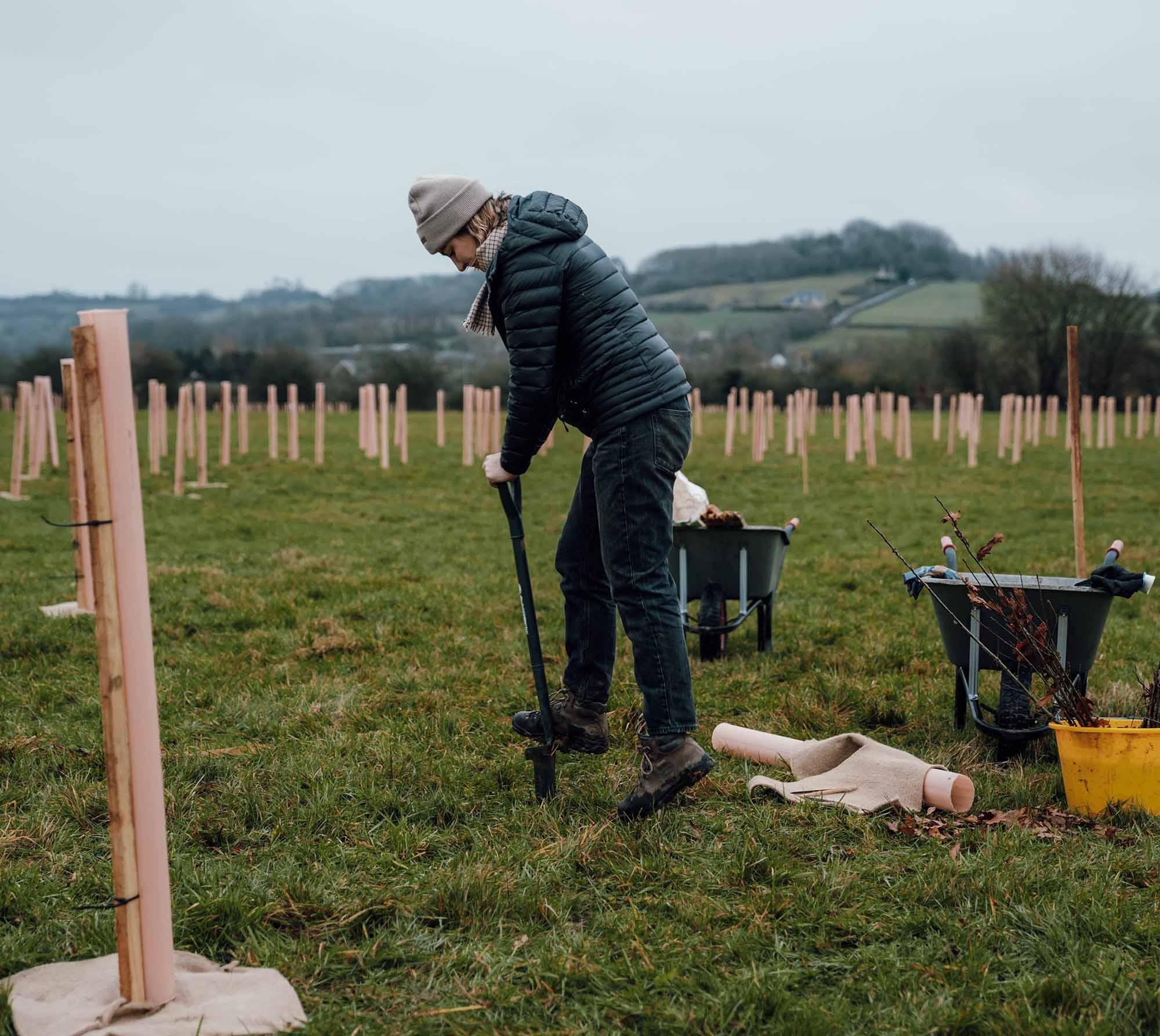
We're committing to raise £50,000 by 2027 to help protect nature in our national parks.